-
-
Game Name Artwork
-
Gameplay Screenshot 1
-
Gameplay Screenshot 2
-
Live Experience Photo


Inspiration
Plato’s Allegory of the Cave presents a powerful metaphor of humans trapped in a world of shadows, mistaking these illusions for reality. This concept resonates with shadow work, a psychological practice where individuals confront their hidden fears and desires, ultimately seeking self-awareness and personal growth.
When considering AI-human interaction, this dynamic becomes even more intriguing. People often project their own biases and beliefs onto AI, creating a complex relationship where the line between AI-generated content and genuine human insight blurs.
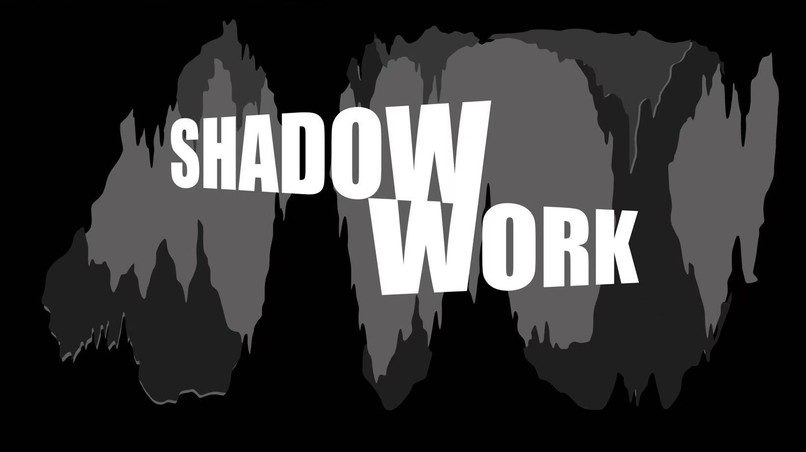
In our game, Shadow Work, you hold the power of light in your hands, guiding your shadow, powered by AI, through a maze of obstacles and self-discovery inspired by real-world shadow work.
What it does
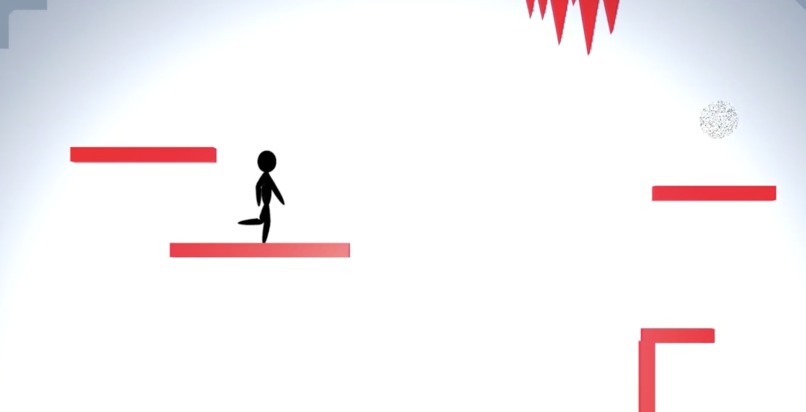
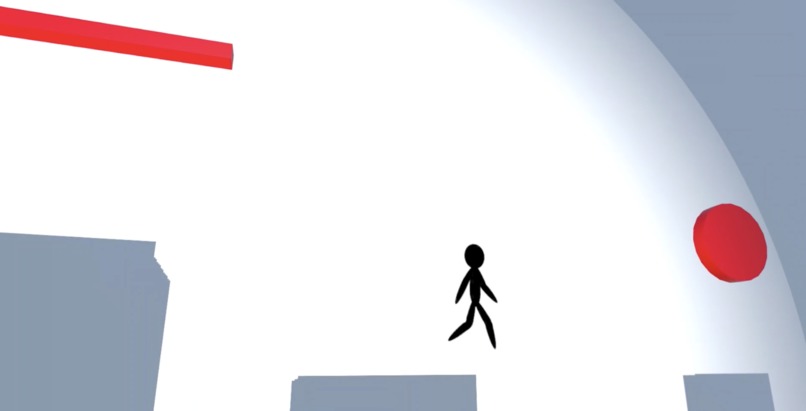
Use your light to lead your shadow through a cavernous labyrinth, helping it find its way back to you through a series of shadow levels. But, this maze isn’t static. By manipulating objects in the virtual world, you change the landscape of the shadow’s world. Shadows cast from 3D objects become 2D platforms and paths. Your shadow moves with a will of its own, learning from your guidance to face the obstacles ahead. By working together, you discover not only the path forward but also the deeper meaning hidden in the interdependencies of light and dark.
How we built it
We used Unity as the core engine for game development, integrating its physics system to create dynamic light-shadow interactions. Blender and SketchUp were employed to model 3D objects and environments. For visual assets like game title, text, and level design, we utilized Adobe Illustrator and Fresco. This combination of tools allowed us to craft an immersive experience.
Challenges we ran into
The main challenge was achieving accurate light-shadow interactions, such as ensuring shadows created were recognized as platforms for our 2D shadow avatar. It required optimizing the physics engine and ensuring shadows projected from 3D objects seamlessly translated into 2D platforms. Another difficulty was programming the AI shadow to balance autonomy and player guidance, creating a natural yet purposeful interaction.
Accomplishments that we're proud of
We are proud of developing a unique gameplay mechanic where light and shadow form the foundation of problem-solving and narrative progression. The successful integration of AI-driven shadow behavior adds depth to the experience, fostering emotional engagement. Additionally, the visual assets and promotional materials effectively communicate the philosophical and psychological themes behind the game, enhancing its appeal.
What we learned
We gained a deeper understanding of how to integrate diverse tools and technologies into a seamless creative workflow. The project highlighted the importance of iterative testing to ensure gameplay mechanics align with the intended narrative themes. We also learned how AI can be leveraged to create meaningful and adaptive interactions in a gaming context.
What's next for SHADOW WORK
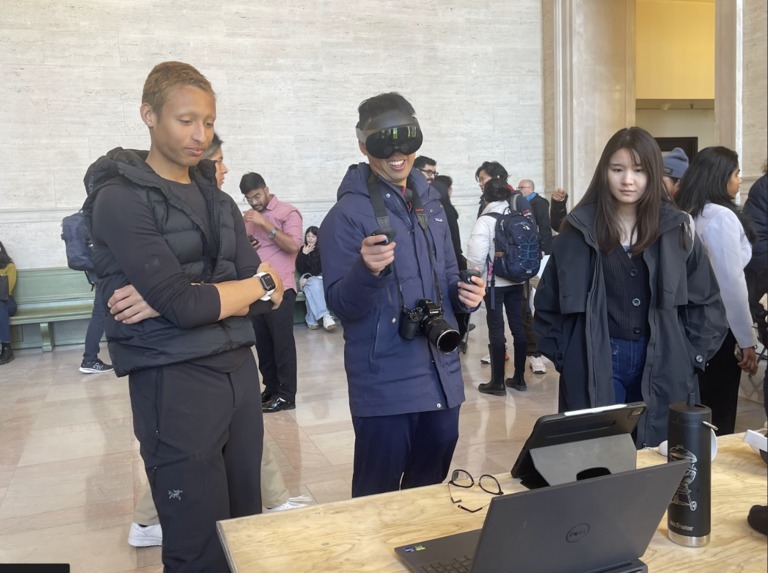
Next, we aim to expand the game with additional levels and more complex light-shadow puzzles. We plan to explore VR integration for heightened immersion and introduce multiplayer modes where players can collaborate to solve challenges. Furthermore, we will refine the AI to make the shadow’s learning process even more intuitive and impactful.
Built With
- adobe-fresco
- adobe-illustrator
- blender
- metaquest3
- sketchup
- unity


Log in or sign up for Devpost to join the conversation.