-
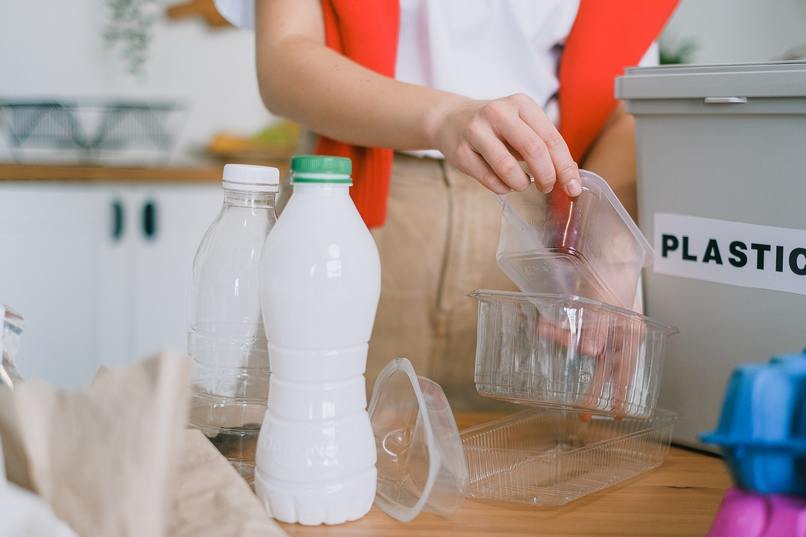
woman sorts plastic waste

Inspiration
Even in developed countries, plastic recycling is complex, energy-consuming, far-from-efficient and labororus. In our opinion the cause is people - they mix it into common garbage. And it creates that need of problematic sorting and processing before actual recycling into plastic granules starts.
With a source separation efficiency of 40-60%, it is possible to recover for recycling nearly half (i.e. 48%) of the total plastic packaging present in the mixed residual waste. (LUT diploma work in recycling)

We should put our efforts into more efficient source separation of plastic waste in domestic and office context, in order to increase recover of recycling, while reduce energy, time and resources wasted thanks to shortened process.
What it does
We suggest that optical recognition and AI-based object detection will redefine input to recycling factories, simplifying and shortening path, removing or reducing energy-consuming steps and raising levels of recycling. For that, we focused on optical and AI-based recognition in closest chain, helping to sort plastic as close as possible to the moment plastic is considered to waste, so mixing plastic with other waste is avoided.
To achieve that, we started the most simplistic object recognition based on images of plastic items with various codes. It can be improved with general AI-based image recognition, once initial barcode recognition sets example.
We have done optical object recognition of various "plastic class code" icons in near-real-time on borrowed hardware. Also we recognized other similar waste icons in same process. It will help us with further development of automated plastic (and probably not only) waste sorting place, moving it closer to average person. So humans can rely on automatic waste disposal. We can have thus higher rate of proper disposal instead of throwing it to general waste. We strive to build on top of this project towards a circular economy for plastics in the EU by 2030, something which can be automated collective recycling point in domestic and office context.
How we built it
As we had too little time left, we decided to pivot too (so we do not overlap with original team) and use parts unused by original project development. We had no UX / UI design and none could do it, and hence we focused on "backend style on single board computer" development. With help of Hugging Face and Kaggle we achieved optical object recognition of various plastic codes on plastic objects not present in original dataset. We could run it on borrowed SBC hardware with small digital camera attached. The model was able to detect single object in video stream, or with less certainty - more than one object. We managed to get recognition of sequence of 10 various plastic objects, like canister, bottle, plastic packaging, etc. Sadly, we had to return borrow hardware due to limited time and forgot SD card with files inside.
Challenges we ran into
Team original has pivoted, leaving 2 members behind. We (two) decided to explore remainders of original research and create project salvage which might grow into something more useful for humankind. We experienced lack of time, skills, windows of communication, learning curve, and more. In the end, 2nd pivot is always salvage. Borrowed hardware (returned with delay) caused loss of SD card within slot, so we have near-zero demo. But now we can re-try to make it in more calm and organized manner.
We strive to rebuild team and possibly join in next year Girls-in-Tech. Or in another hackathon. Or just do it forward, on our own.
Accomplishments that we're proud of
Optical object recognition of plastics codes:
- Proper machine vision labeling for them, put into vision frame by one or two.
- Run it in near-real-time (sub second recognition) on small hardware and able to use embedded small camera.
- All of these achieved in few sessions during 2 days.
What we learned
- Human factors and real life can be very disruptive for teams. And we have to adapt and see long perspective. And act anyway.
- Also new team building is something shall be done before hackathon.
- Non-tech folks rarely understand that tech dev should start from day 0, not in last days.
What's next for Rewards For Plastic
Find / salvage recycling point hardware in order to build true demo. Or make cute demo model. Current demo video speaks about plastics challenge to keep people aware.
Make said demo recycler recognize near 100% of thrown in objects.
Build team, which is able to be more contingent and delivering, hopefully turning it into self-sustained business model
Make aforementioned plan supported by one of European development agencies. Focus on impact business model in first stage(s)
Built With
- huggingface
- kaggle-dataset
- python
- raspberry-pi
- tensorflow

Log in or sign up for Devpost to join the conversation.