-
-
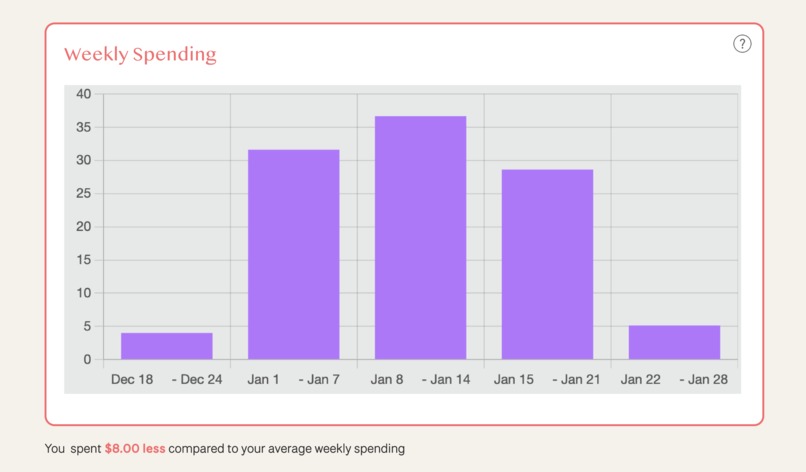
Bar graph
-
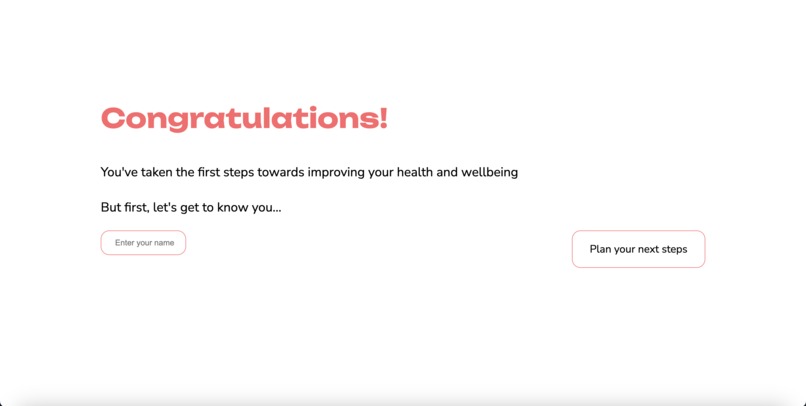
User onboarding
-
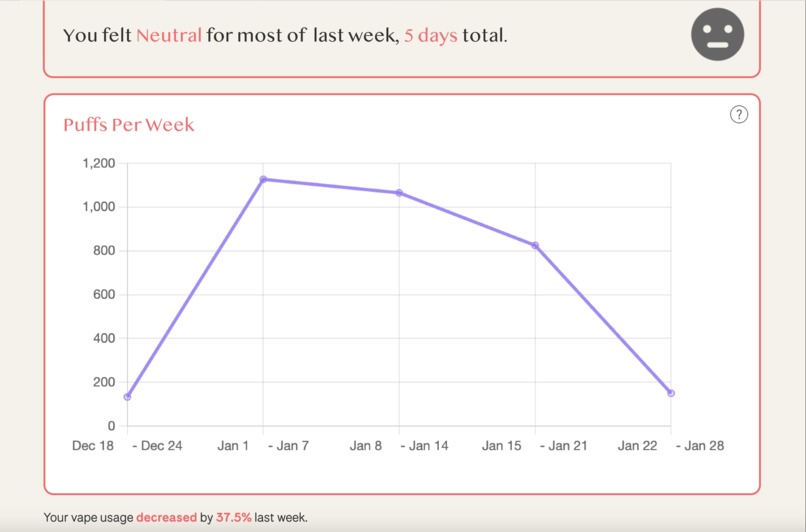
Line graph
-
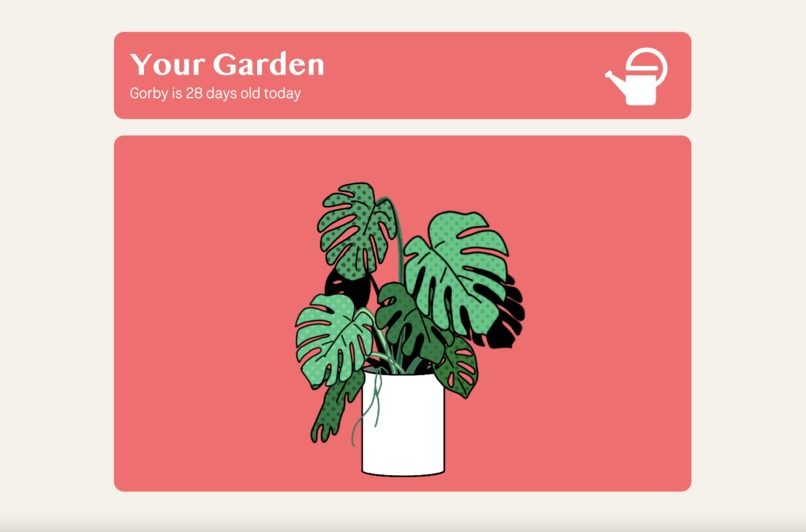
Plant growth
-
Landing page


Inspiration
Puff Patrol was inspired by the lack of apps that meet individuals struggling with addiction where they are. Unlike most nicotine quitting apps that adopt an all-or-nothing approach, Puff Patrol helps you cut back on vaping without demanding immediate abstinence.
Most mainstream apps also require tedious manual tracking, asking you to input the number of puffs you take each day. This can be discouraging and not user-friendly, decreasing the motivation to continue using the app. Puff Patrol effectively addresses these gaps and utilizes positive reinforcement to make a platform that people will actually use and benefit from.
What it does
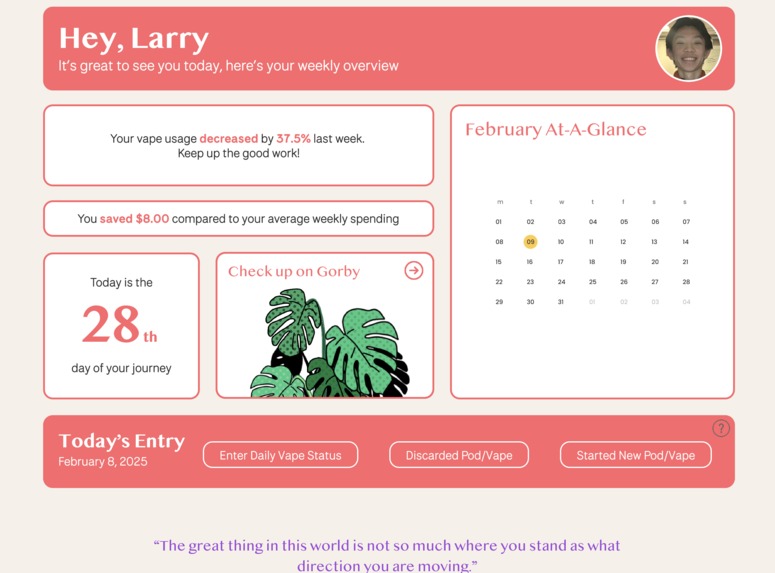
Puff Patrol allows you to log your vape, enter the total puffs it holds, and mark when you start and finish using it. Puff Patrol automatically calculates your daily puffs, tracks your spending on vaping, and allows you to record your energy and mood levels. Using this data, it generates insights.
The insights visualize your money spent on vapes weekly, mood over time, and puffs per week over time. We also report how much your vape usage increased or decreased from the previous week, how much your spending decreased compared to the previous week, and what your estimated savings are if you continued at your current pace.
Our unique progress plant grows as you reduce your puffs without ever dying. It flourishes when you cut back on vaping and pauses when your progress slows, providing positive reinforcement for your journey toward quitting.
Feature #1: Vaping Habit Analysis Puff Patrol initializes analysis when users log 1) the model, 2) total puff count, and 3) cost of their vape/vape pod. Our tool then automatically calculates weekly average puffs and expenses based on when the user discards their vape/pod, with optional tracking of their daily energy levels (i.e. scale from 0 to 10) and mood (e.g. happy, sad, or neutral).
In an “Insights” tab, users can observe several changes in their vaping habits over time: 1) increase/decrease in vape frequency, 2) increase or decrease in expenses, and 3) expected money saved with current trajectory.
Feature #2: Plant Nurturing Users may choose a digital plant that grows inversely to a decrease in vape usage. More importantly, the plant does not die when users increase their vape usage – this is to reflect our positive reinforcement philosophy by way of highlighting healthy habits, rather than punishing unhealthy ones.
How we built it
A high-fidelity prototype was built using Figma and illustrations made with Procreate. The website frontend was coded with HTML, CSS, and JavaScript; frontend testing and data visualization were done with CodePen. For the backend and API development, we used JavaScript and MongoDB and tested their connection/functionality with Postman. GitHub and VSCode were used to facilitate collaborative development.
Challenges we ran into
MongoDB Learning tech stack - differences in abilities and strengths Frontend issues → implementing prototype design Connecting and building on each other’s work → different coding styles
When transcribing the Figma prototype into a functional interface, we had to reprioritize elements (e.g. more accessible fonts over niche ones) in consideration of time constraints. (Marko can p elaborate more on this if he has time).
When attempting to connect our backend database and insight calculation processes, we ran into an issue of communication and time management; however, etc etc
Accomplishments we're proud of
Time management and planning over a time crunch Teamwork and communication → meeting each other for first time & capitalizing individual strengths → Effective building on each other's ideas and work! Full stack application (!!) Good planning, well thought out ideas and each person understands the project in great detail.
For most of the team, our collaboration was our first impression of each other. We reconciled our various technical strengths and personal work styles, and adopted great flexibility with task modification/ collaboration. This allowed us to be consistently productive throughout the hackathon’s duration, while also familiarizing ourselves with one another at a personal level.
We also effectively divided the team for even front- and backend development. For most of the team, creating a full-stack application within 24 hours was a novel experience we are very proud of achieving.
What we learned
More proficient in languages, deeper understanding Efficient collaboration to capitalize on different members’ strengths Effective communication to teach each other Task prioritization and making necessary compromises/adjustments to expectations
We learned to prioritize emotional attunement at both the personal and interpersonal level, informing teammates when we needed a personal break and frequently checking in with one another. We also experienced the power of the energy drink(s) during crunch hours.
We also elevated our communication skills when it became necessary to both elucidate and learn technical information from each other, achieved by playing into each other’s learning styles (e.g. verbally explained, written on a white board, demonstrated).
What's next for Puff Patrol
A more developed Puff Patrol website will ideally provide more anticipatory information (e.g. displaying potential uses for expenses /not/ spent on vapes) to further a positive growth mindset and process-centered sobriety. Additionally, cross-platform functionality (particularly with mobile devices) would expand the accessibility and user demographics of our tool considerably.

Log in or sign up for Devpost to join the conversation.