-
-
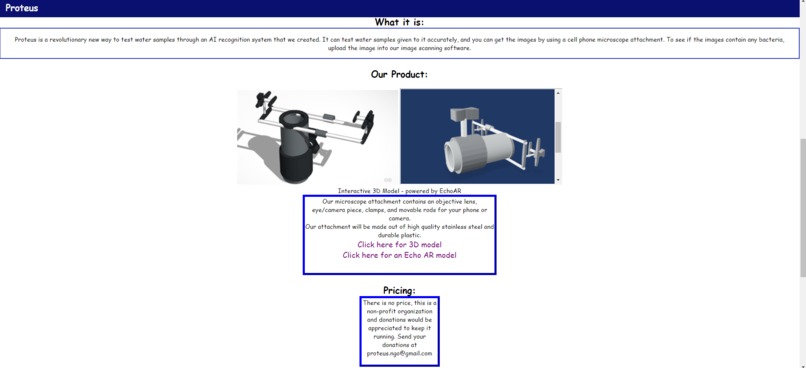
our first img on our website
-
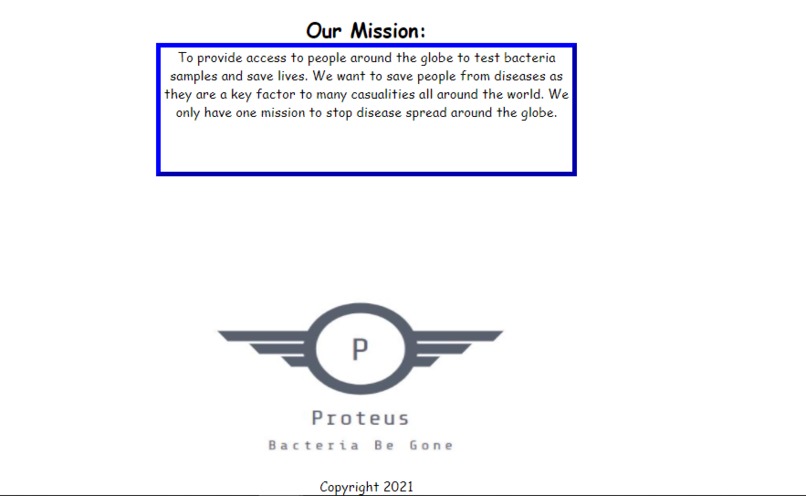
another img of our website
-
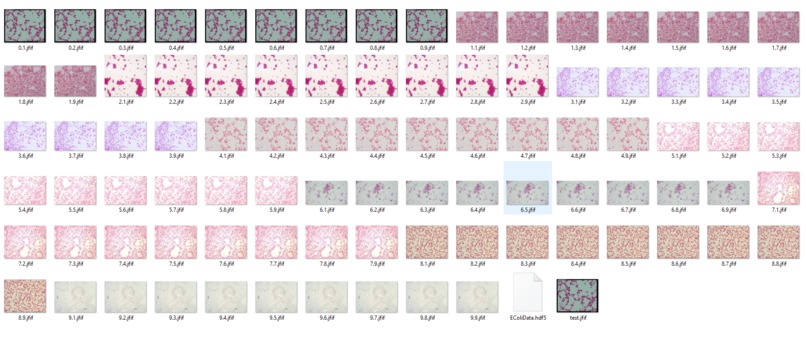
our dataset


Inspiration
Around 2 billion people across the globe drink contaminated water. The drawbacks of contaminated water are extensive and deadly. Even worse, people drink contaminated water without even knowing it is contaminated in the first place. What if there was a way to fix this? What if there was a way for people to know what was in the water they need.
In comes Proteus, the easy way to image and analyze water samples.
What it does
The physical part of Proteus is a cell phone attachment that allows you to magnify to around 700x. This allows you take images of pathogens in your water.
The software part is an image recognition program, that can classify whether your test image has a pathogen.
There is also a website where you can download the image recognition program.
How I built it
We built the python program using numpy and PIL. The program works by converting the test image to an RGB array. The program then compares this array to an array set of the entire dataset. The program then spits out whether or not the image has any pathogens (we used E.coli as our test)
The 3D model was created in Tinkercad and later in Echo AR,
The website was designed in repl.it and used html and css to make it look pretty.
Challenges I ran into
We didn't know much python going into it, and not much code in general. Also productively spending time was kind of an issue.
Accomplishments that I'm proud of
We were able to create an image recognition program. This is because before starting, we knew it would be tough, and we had some hurdles along the way, but I'm proud we overcame those hurdles and were able to finish the program.
What I learned
I learnt python and how image learning works. We also learnt how to incorporate css into html, which we didn't know how to do before.
What's next for Proteus
We plan to simplify the python file and create an cell phone app. We also will input in more pathogens and create a stronger dataset.


Log in or sign up for Devpost to join the conversation.