-
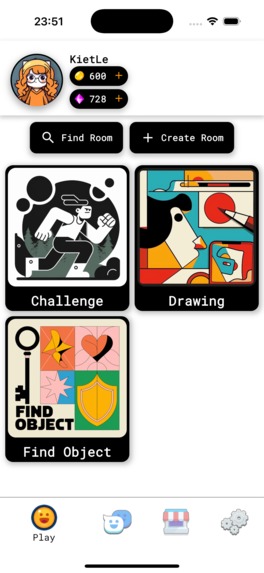
All the game mode
-
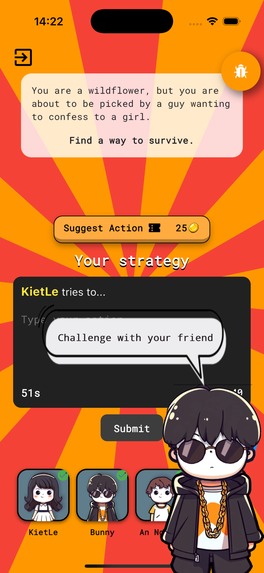
challenge mode
-
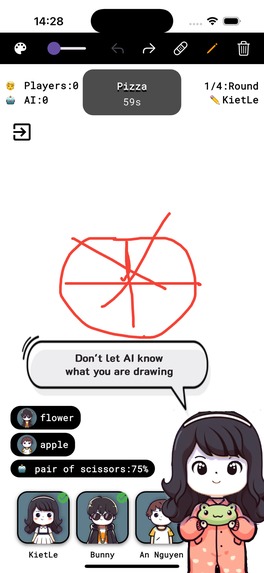
drawing mode
-
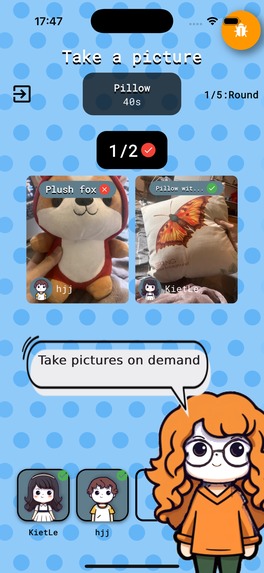
find object mode
-
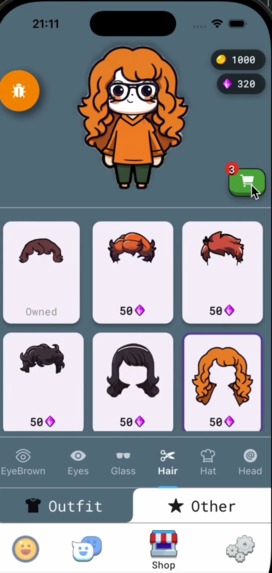
Custom avatar


Inspiration
PlayBond started as a late-night idea between friends who love social games and experimenting with AI. I wanted something that could bring people together, spark creativity, and make those hangouts even more memorable—whether it’s game night or a random weekend.
What it does
PlayBond is like the ultimate party game with a twist of AI. It’s got three super fun modes:
Challenge Mode: Players are presented with AI-generated prompts that describe unique problems to solve. The key to winning isn’t just solving the problem but doing so in the most fun, creative, and inventive way. The player with the most imaginative solution takes the crown.
Drawing Mode: One player draws based on a secret prompt, while the others guess what it is. The catch? AI is also guessing, and it’s a race to see if your friends can figure it out before the AI does. A test of both your drawing skills and your friends’ deduction abilities!
Find Object Mode: The AI provides the name of an object, and players must scramble to find it in their surroundings and take a picture. However, there’s a twist—human players can only win if every single player successfully finds their object, turning it into a team effort against the AI!
How I built it
Honestly, it was a mix of brainstorming, testing, and a lot of caffeine-fueled coding sessions. Here’s how it came together:
AI magic: I used models to generate creative challenges, recognize objects, and keep things fresh every time.
Frontend vibes: I built the front end using Flutter to create a user-friendly interface that feels smooth and inviting across platforms.
Backend hustle: The backend is powered by AWS services—Lambda handles the game logic, SQS manages countdown timers and triggers events, and DynamoDB stores user and room data. To ensure seamless matchmaking, users are grouped in rooms with others who speak the same language.
Challenges I ran into
I hit a few bumps along the way:
Getting the AI to create challenges that were fun but not too easy or impossible.
Making object recognition work quickly and accurately for Find Object Mode.
Optimizing multiplayer gameplay to ensure a seamless experience. I achieved this by using a single AWS Lambda function to handle all game logic and requests, ensuring cost efficiency and simplicity. The Lambda function processes real-time user actions, manages game states, and triggers events, all while minimizing delays.
Ensuring smooth handling of countdown timers and triggers through AWS SQS, reducing backend complexity without compromising performance.
Accomplishments that I am proud of
Bringing an idea to life that genuinely makes people smile.
Pulling off a game that feels fresh and interactive, thanks to AI.
Hearing from testers who said, "This is exactly the kind of game I’d play with my friends!"
What I learned
The magic happens when AI enhances creativity, not replaces it. Along the way, I discovered the power and flexibility of AWS, which instantly won us over. After exploring its potential, I migrated everything from Firebase to AWS, streamlining our processes and optimizing performance.
Building multiplayer games is harder than it looks, but so worth it. AWS Lambda allowed us to handle all game logic with a single function, keeping costs low and efficiency high.
Feedback is everything—our testers helped us refine the experience in ways I didn’t even think about.
What's next for Playbond
Adding even more creative and quirky game modes to keep things exciting for everyone. (because I don’t want to stop)!
Introducing voice chat, because nothing beats hearing your friends laugh (or scream) in real-time while playing.
Adding a room chat feature to make every game feel like a cozy hangout spot, even when you’re apart.
Exploring opportunities to advertise and grow the community—and hey, if I win some prize money, you bet I’ll put it to good use expanding PlayBond!

Log in or sign up for Devpost to join the conversation.