-
-
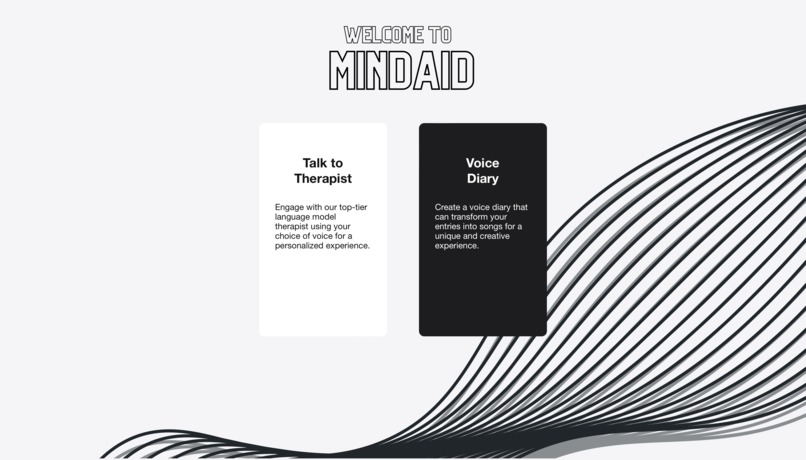
Home Page
-
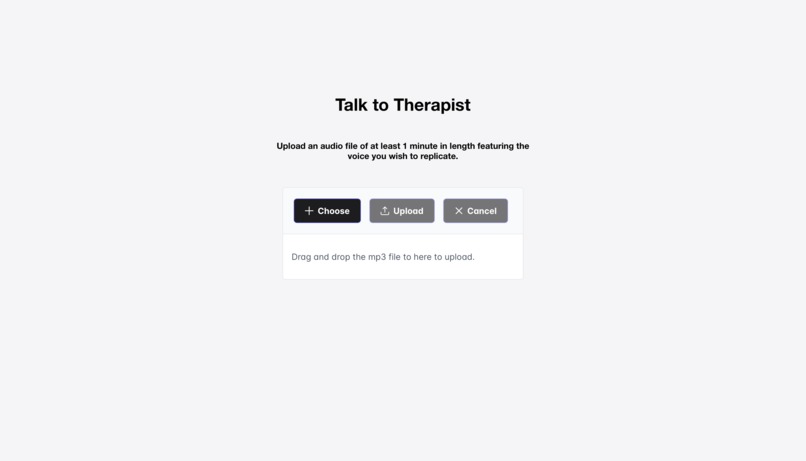
Custom Voice Model
-
Model Speaking
-
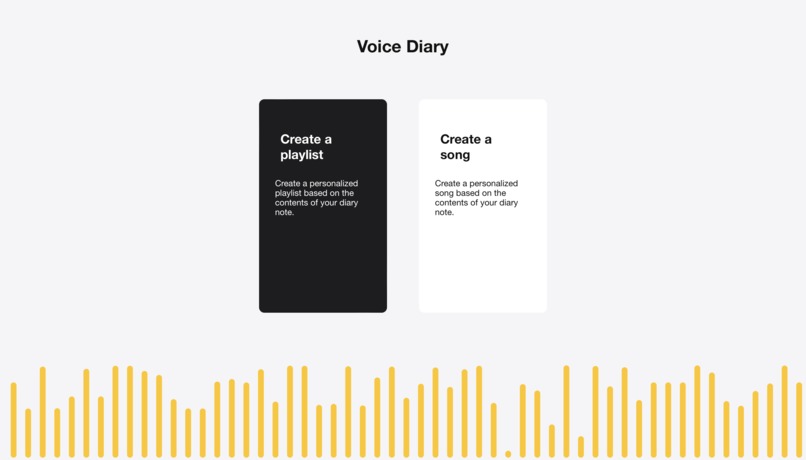
Custom Playlist and Custom Song
-
Diary Note
-
Personalized Playlist
-
Personalized Song


Inspiration
One day I came to know my friend was hospitalized because he tried to give up his life. Later, I found out he was suffering from clinical depression and at that time his therapist and his friend who he used to speak about his depression was not available.
In America, where depression affects 10% of the population and the healthcare system struggles to meet the demand, the need for accessible therapeutic tools is undeniable. Recognizing the importance of therapy session and music's ability to heal, MindAid harnesses AI to offer personalized therapy session and music therapy, providing a comforting presence when your therapist or friends support is out of reach. By blending empathetic messages with tailored music recommendations, MindAid aims to be a companion in the darkest times, offering solace and a path towards healing.
What it does
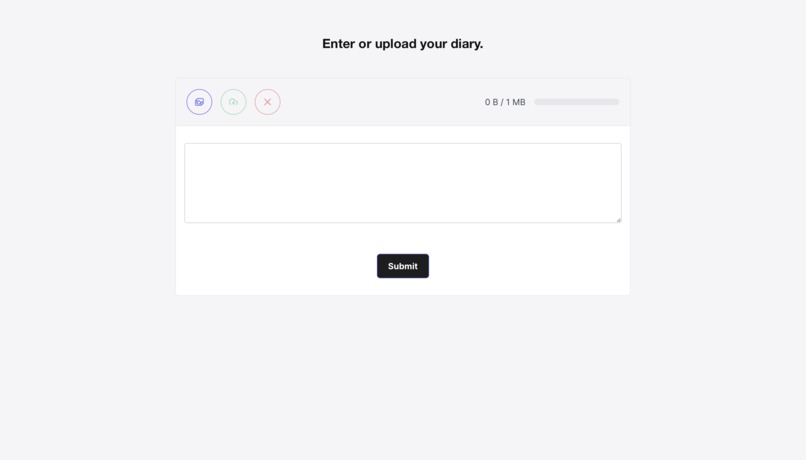
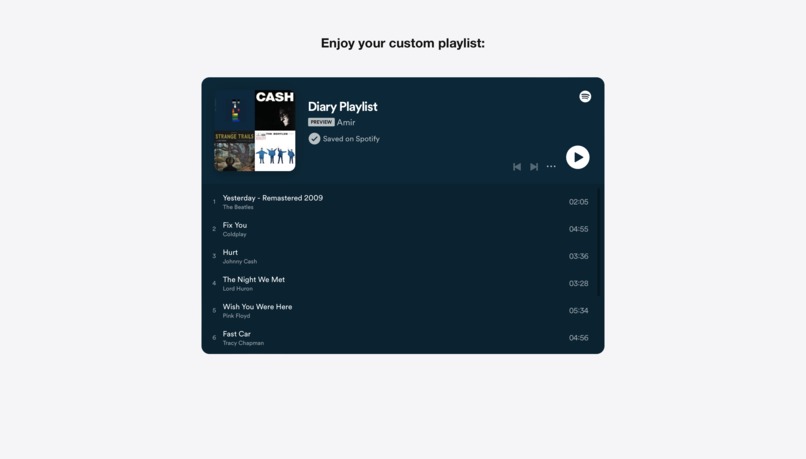
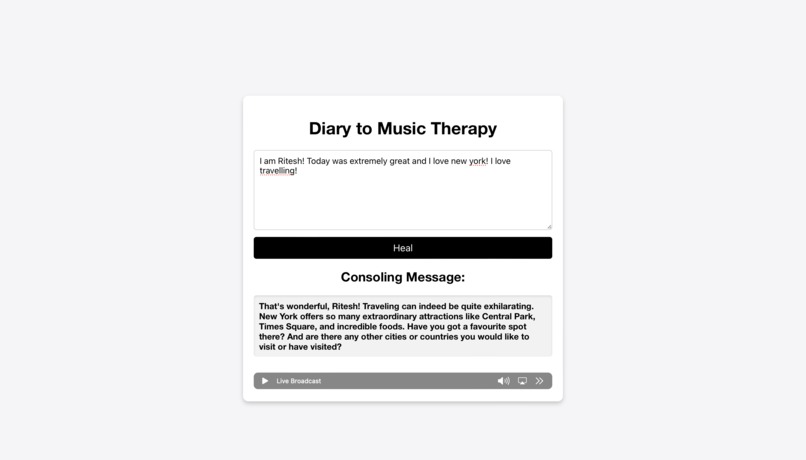
MindAid is divided into two main parts. With the help of custom voice, AI therapist engages in real time conversation with the user and responds like a real therapist by giving useful recommendations of what the user is dealing with. Second part (DiaryNote) which has two features: generates playlists based on the diary note the user share and the second feature generates custom songs based on the sentiments of the diary note followed.
How we built it
Utilizing Figma and React for development, our backend leverages Flask. For the first part (AI Therapist), we used the Eleven-Lab's API and prompt engineering to make the AI therapist sound as humane as possible. To use the AI Therapist, user can upload or record custom voices which will then use the Eleven-Labs Text-to-Speech API to send the AI-generated voice back to the web app.
For the second part, 1. Generate Playlists from the DiaryNote: By analyzing the note from the user using OpenAI, it matches with the related songs from Spotify playlists using the Spotify API and then the link is embedded with the web app. 2. Generate custom songs from the DiaryNote: We used the sentiment analysis tool of the model to analyze the note of the user, OpenAI to convert the note into a prompt, the prompt is passed through the SunoAI which generates custom music based on the users diary input. Every data in the project is saved in MongoDB.
Challenges we ran into
One of the biggest challenges we ran into was SunoAI not having any official API. Our first idea was to have a web bot which will use selenium for music generations but we pivoted to using the wrap around API which is deployed on a vercel server and that server was called on the client side.
Accomplishments that we're proud of
Having a team of two, we accomplished a lot of features in a very short amount of time. But the main thing that we are proud is that we got to build a tool which can help people with depression and contribute to a better world.
What we learned
Initially when we started the project we thought we would not be able to complete the project on time. But hundreds of youtube videos and materials navigated the way for us to learn new tools like to workaround with an unofficial API, prime react and figma tools. Besides coding, both of us got to learn a lot about the importance of accessibility.
What's next for Untitled
We plan to make the DiaryNote into speech-to-text so that it becomes user friendly for everyone. We also plan to connect with health professionals to help people when the health professionals cannot be there when needed.
Healthcare #Education #HackPrinceton
Built With
- ai-applied-sentiment-analysis
- css
- eleven-labs-api
- figma
- html
- javascript
- mongodb
- openai
- python
- react
- spotifyapi
- suno
Log in or sign up for Devpost to join the conversation.