-
-
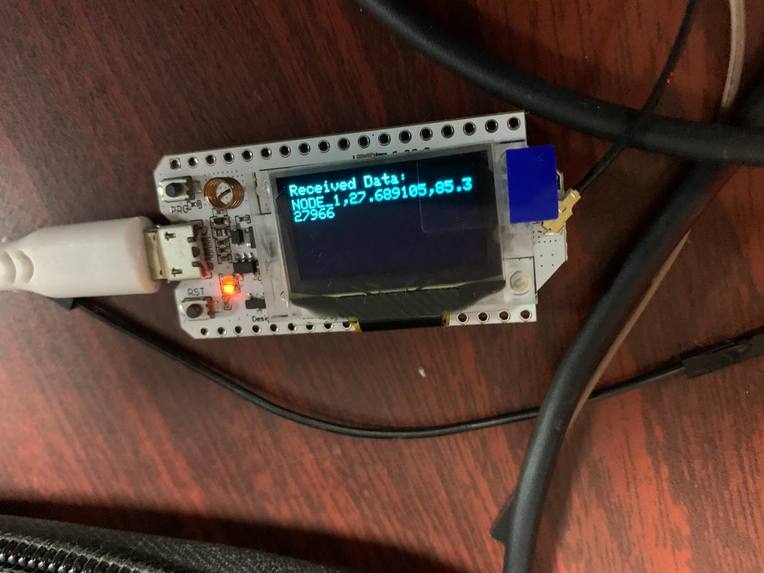
Heltec LoRa32
-
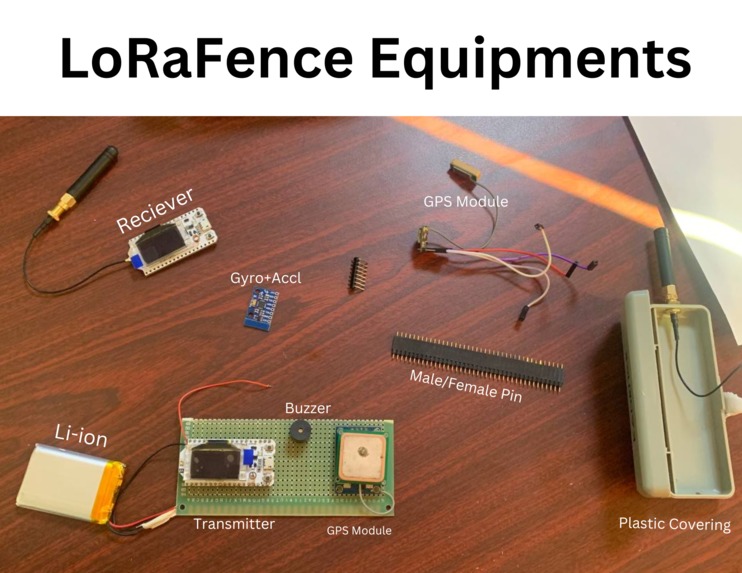
Equipment Description
-
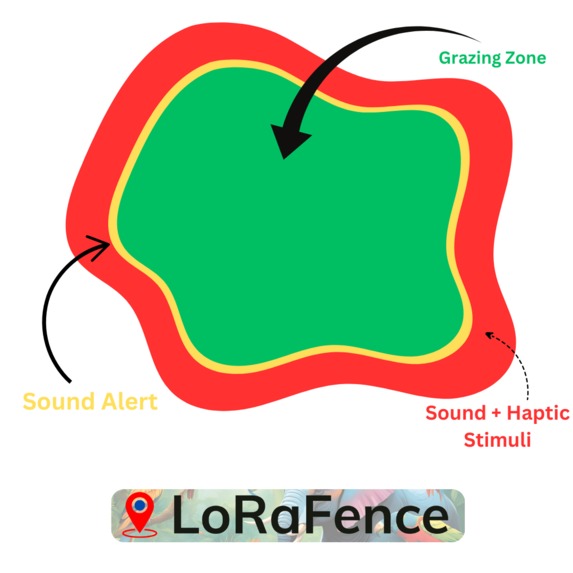
Virtual Fencing Concept
-
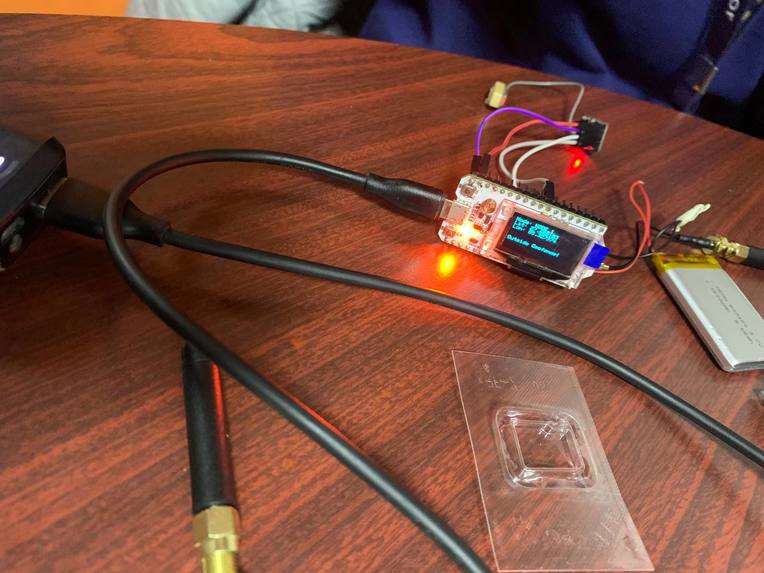
ESP Reciever
-
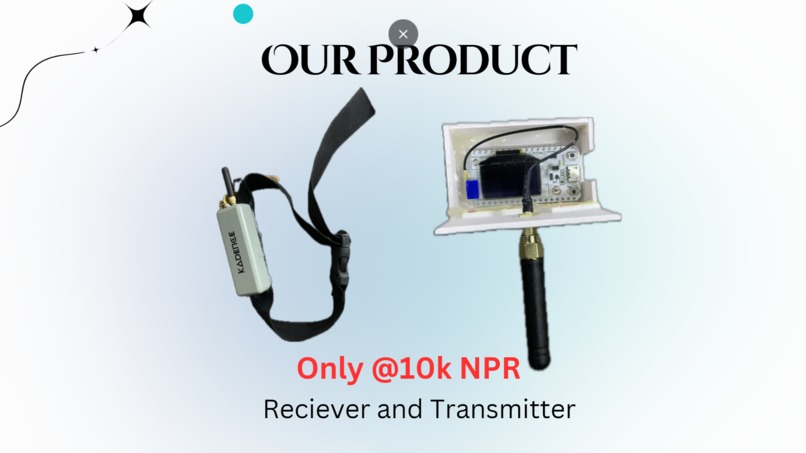
Our Product
-
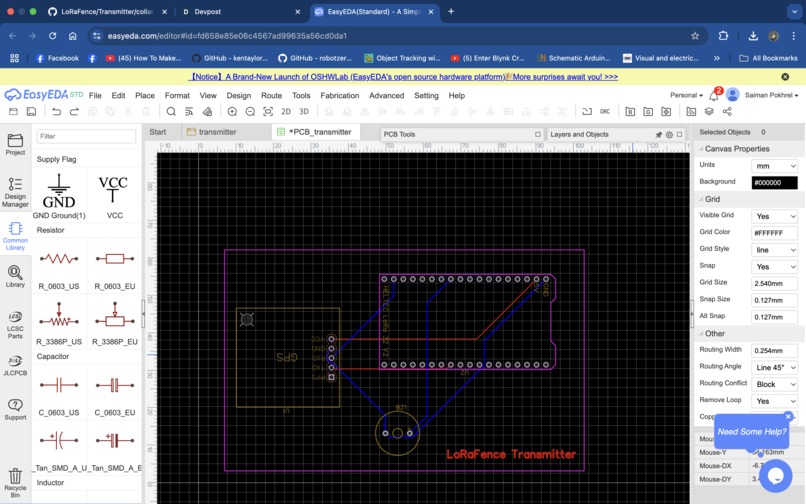
Transmitter_CKTDiagram
-
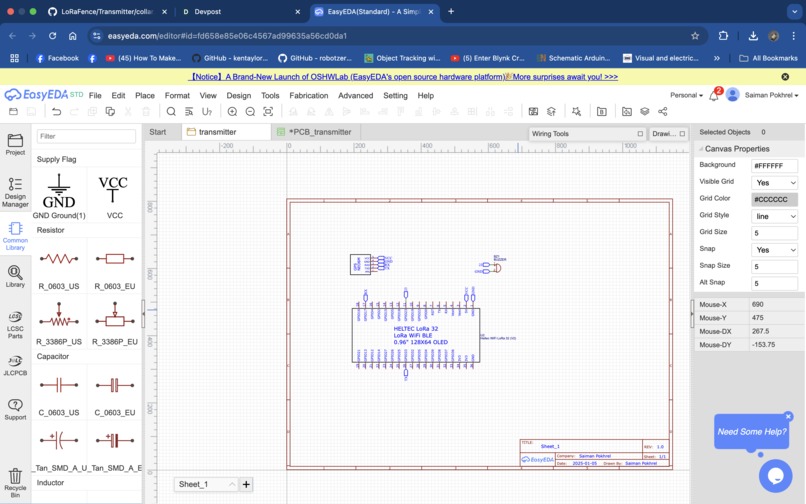
Transmitter_SchematicDiagram
-
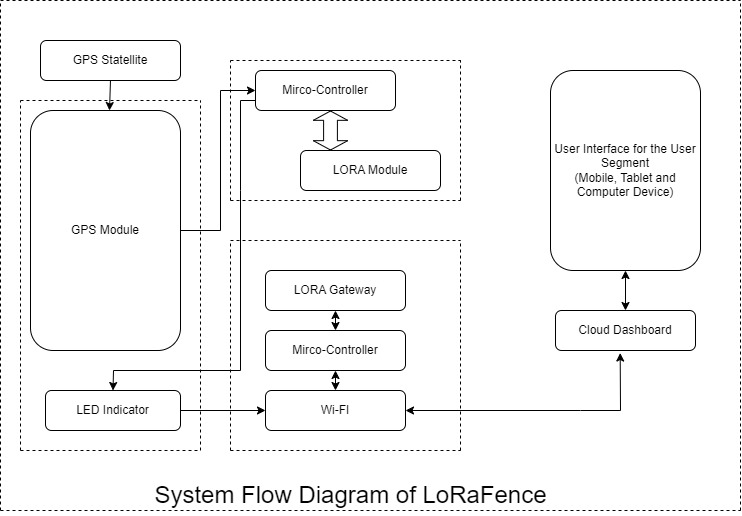
System_Flow_Diagram
-
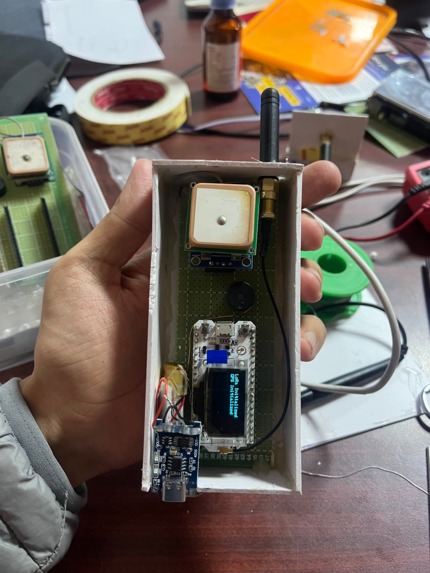
Collar with charging port


Inspiration
Residing near Chitwan National Park, we've observed frequent human-wildlife interactions that pose risks to both communities and animals. These encounters highlighted the need for a solution to manage and monitor wildlife movements effectively, inspiring the development of LoRaFence with cost effective solution.
What it does
LoRaFence is a system designed for:
- Animal Tracking: Utilizing GPS technology to monitor wildlife movements in real-time with multiple trackers display.
- Virtual Fencing: Establishing geofenced areas with two threshold zones:
- First Zone: Triggers audible alerts to deter animals.
- Second Zone: Activates haptic feedback to prevent boundary breaches.
How we built it
Hardware Integration:
- Employed LoRa modules for long-range communication.
- Developed animal collars equipped with GPS, haptic sensors, and sound emitters.
- Integrated Raspberry Pi 5 with display modules for monitoring in ranger vehicles.
Software Development:
- Implemented geofencing algorithms to define and monitor virtual boundaries.
- Developed a user interface for real-time tracking and management.
Testing and Iteration:
- Conducted field tests to assess system performance near hackathon area's.
- Refined the system based on feedback and observed challenges.
Challenges we ran into
- Hardware Constraints: Ensuring durability and reliability of devices in diverse environmental conditions specially dealing with GPS erros.
- Signal Interference: Maintaining consistent communication in areas with potential signal disruptions.
- User Interface Design: Creating an intuitive interface for users with varying levels of technical expertise.
Accomplishments that we're proud of
- Developed a functional prototype that integrates animal tracking with virtual fencing capabilities.
- Achieved real-time monitoring and feedback mechanisms to manage wildlife movements effectively.
- Established a foundation for scalable solutions applicable to various conservation efforts.
What we learned
- The importance of user-centric design in technology solutions for wildlife management.
- Challenges associated with hardware deployment in natural environments.
- The need for iterative development and testing to refine system functionality.
- Animal Human interaction and their impact in rural society as well as near conservation area's
What's next for LoRaFence
- Extended Field Testing: Plan to conduct comprehensive trials in diverse environments to evaluate system robustness.
- Feature Enhancement: Explore additional functionalities, such as integrating predictive analytics for animal movement patterns using TinyML.
- Community Collaboration: Engage with local communities and conservationists to tailor the system to specific needs and ensure effective implementation.
For more details and updates, visit our GitHub Repository.
Built With
- arduino
- c
- esp32
- flask
- gps
- javascript
- leaflet.js
- lora
- osm
- python
- raspberry-pi
- tailwind


Log in or sign up for Devpost to join the conversation.