-
-
-
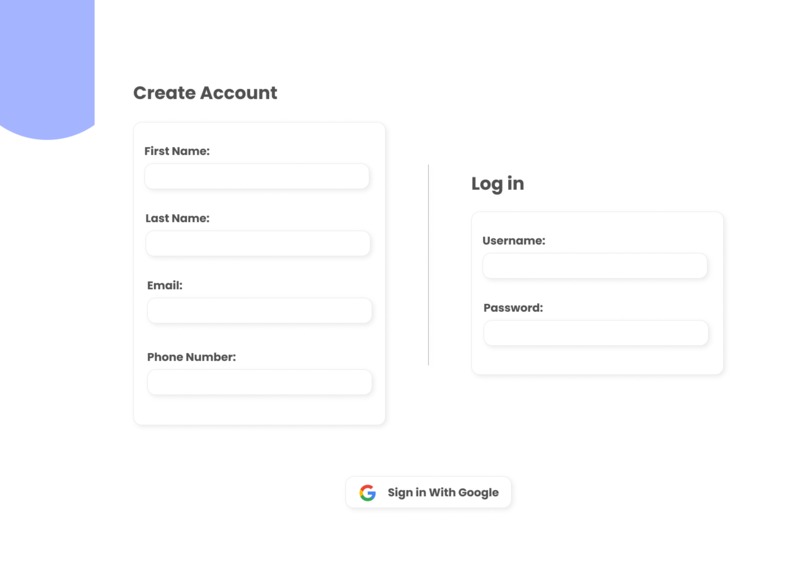
-
Landing
-
Notices
-
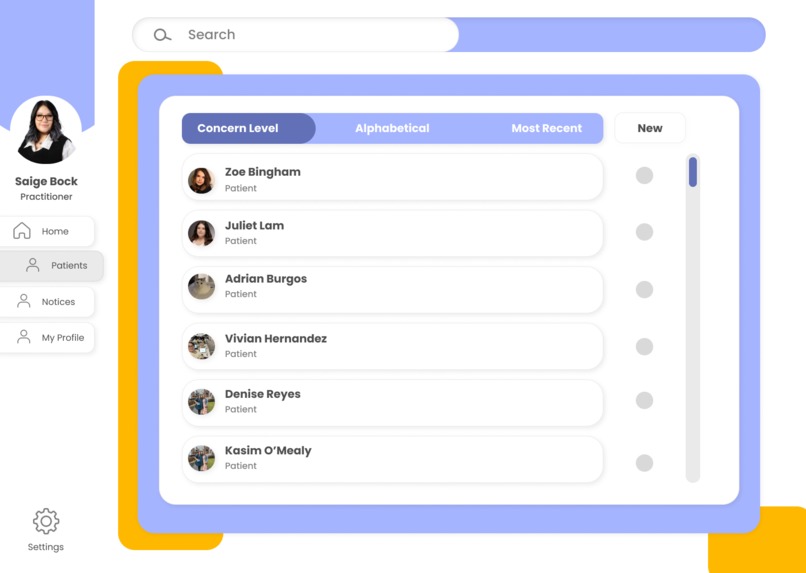
Patients
-
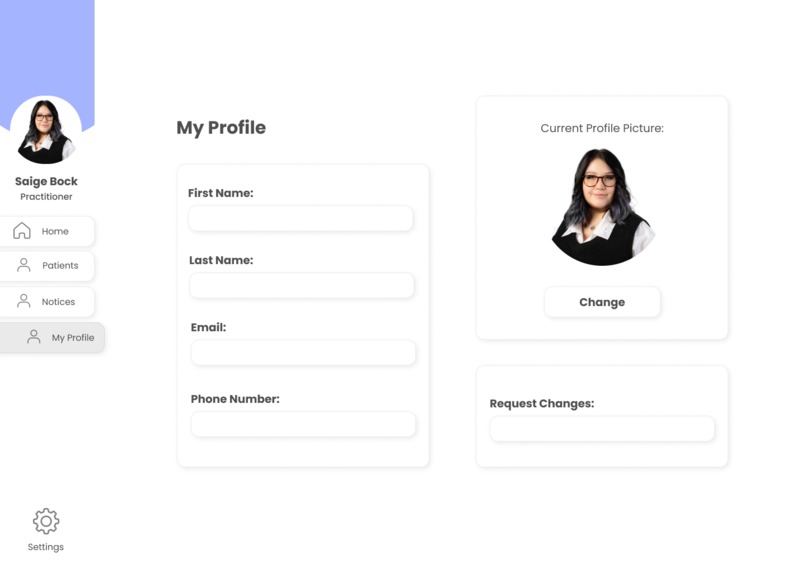
My Profile


Inspiration
Our inspiration stems from the profound impact that early disease detection can have on exponentially improving survival rates.
What it does
Imagine a world where we can detect diseases early and save lives by treating them before they get out of control. According to the Canary Foundation, "Colon Cancer caught early has a 91% 5-year survival rate, vs. an only 11% survival rate if it is caught late and has spread to other organs." With this in mind, our hackathon project leverages cutting-edge medical wearable technology to empower doctors with real-time, lifesaving information. By gathering and transmitting data on vital signs, sleep patterns, and activity levels, our solution enables healthcare providers to detect warning signs before they escalate into critical conditions. This also eliminates miscommunication and misunderstandings between providers and patients, as the data is clear and concise. With early intervention, we can prevent the unnecessary loss of lives and significantly improve patient outcomes.
How we built it
Software Developers - We created a Terra API account and following the documentation, created calls to the Terra API in the backend of our web app to centralize outgoing API calls. Then, we connected our front end to our backend to display the data from Terra API for users to see.
We built the front end using the Angular framework, TypeScript, HTML, and CSS, and used Node.js and JavaScript for our backend. We also utilized Twilio to allow for care providers to send messages directly to their patients, which required us to use Express.
UX Designer - We started by sketching out our ideas on paper with our developers, creating a basic structure, identifying discussion topics, and defining our mission. Then, we moved on to building a wireframe in Figma.
After finishing the wireframe, we reviewed it and realized that some things needed reordering to better match how we expected users to interact with it.
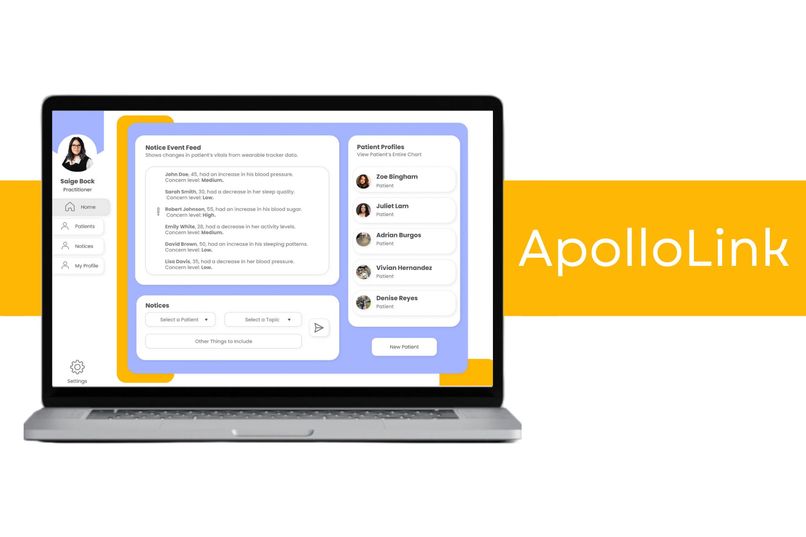
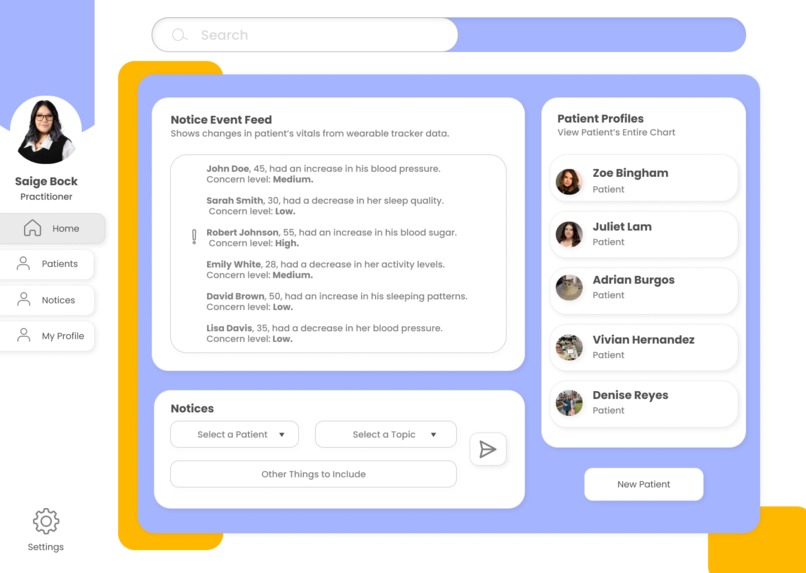
In our program, a "notice" is health data sent from a smartwatch or other health-related device via Terra API to our project, and it appears on a physician's homepage.
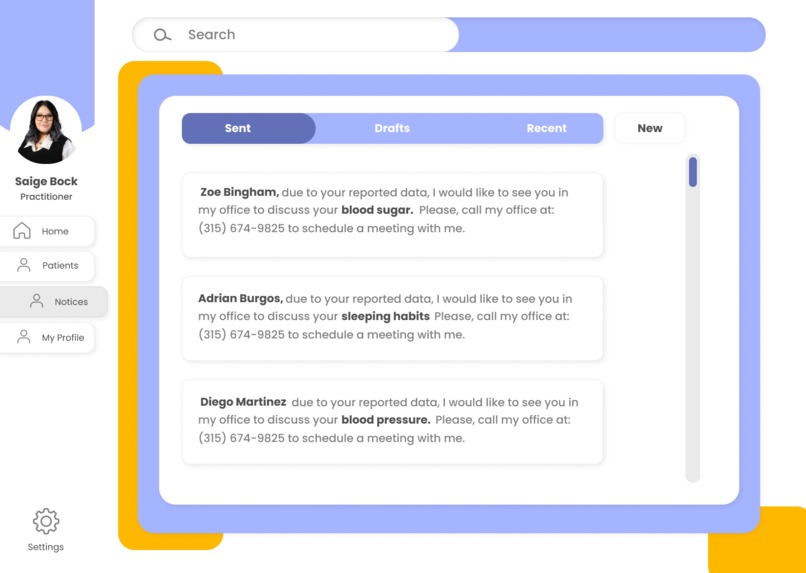
One significant change we made was to prioritize the provider's "feed" of patient notices because it's crucial to act quickly when there's a life-threatening issue. Below that, we added the option for physicians to send notices when they have non-urgent concerns and want to schedule a meeting with the patient.
Next to that, we included a section for patients, making it easy for them to access their vitals and health history when needed.
This is a big change from the original layout. We decided on this layout specifically after conducting user research with the teams around us who were willing to give us their feedback.
Challenges we ran into
We ran into the issue that our AI model wasn't specifically trained and prepared for medical use, therefore, we weren't able to dive as deep into medical advice or help the physician further than just the data.
Accomplishments that we're proud of
We are proud that we were able to successfully utilize all 3 API's in our project!
What we learned
Our group had a first-time hacker, and she came in without knowing what an API was, and then she left knowing, not only what it was, but how to integrate one! We all together learned how to integrate the Open AI API and the Terra API. To more effectively foster communication between patients and their primary care providers, we used Twilio to send a text messages from physicians to patients to request appointments or calls based on their health data.
Teamwork was also something we improved on and made more efficient during this hackathon. we streamlined our process of working with a UX Designer and turning her designs into reality efficiently.
We also learned that we love the restaurant Veggie Galaxy on Mass Ave!!!!
What's next for ApolloLink
We would love to upgrade our product to be able to offer advice or diagnostic examples. This, however, would need to be extensively tested and be created with a medically trained AI model.
Built With
- angular.js
- css
- express.js
- figma
- html
- javascript
- mongodb
- node.js
- openai-api
- protopie
- terra-api
- twilio
- typescript


Log in or sign up for Devpost to join the conversation.