-
-
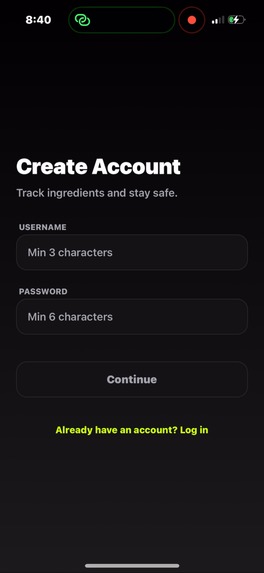
Sign Up!
-
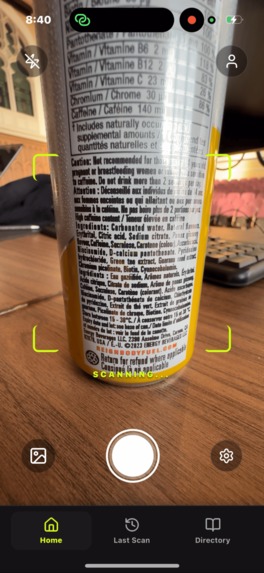
Scan!
-
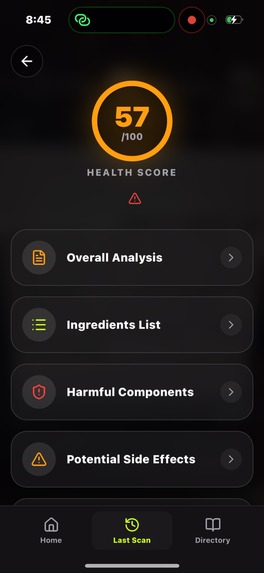
Exposed!
-
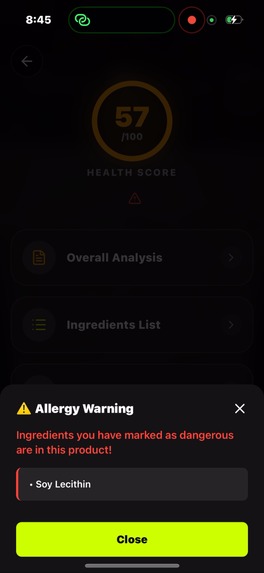
Deadly Allergies!!!!
-
Learn!


Inspiration
We were inspired by the universal challenge of reading nutrition labels. They're often complex, technical, and overwhelming, making it hard to truly understand what we're consuming. Our goal was to revolutionize this experience by making ingredient analysis transparent, accessible, and fun. We wanted to move beyond dry data and transform chemical compounds into engaging, visual personalities, empowering users to make genuinely informed health choices.
What it does
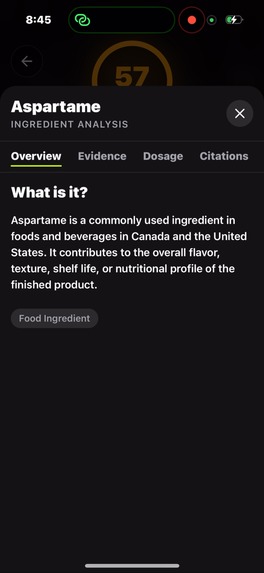
Exposed.tech is an interactive mobile app that analyzes food and drink labels using to provide instant, comprehensive health information.
- Label Scanning: Users upload an image of an ingredient label.
- Chemical Breakdown: The system extracts and identifies individual chemical compounds (e.g., Caffeine, Biotin).
- Health Analysis: It provides clear pros, cons, and flags specific "Bad Combos" (e.g., high sugar combined with certain artificial colors). All backed by peer-reviewed research studies.
- Visual Personalities: Using advanced Generative AI, each identified chemical is transformed into a unique creature based on its properties, giving the ingredient a memorable visual identity, which users can collect.
How we built it
We developed a full-stack solution integrating powerful AI models and robust programming frameworks.
- Frontend (React): Built a responsive user interface to handle image uploads and display the analysis dashboard.
- Backend (Python): This script orchestrates the entire process. It uses OCR (Optical Character Recognition) to convert the label image into text.
- Analysis Pipeline: The script then cleans the text, cross-references ingredients against a health database, and calculates risk factors.
- Connectivity: We used Cloudflare during development to securely tunnel the Python server, allowing the React frontend to easily access the analysis API. We also incorporated workers controlled Cloudflare D1 SQLlite databases for our indexing and user authentication.
Challenges we ran into
- OCR Reliability: Text extraction from curved surfaces (like bottles) or labels with varying fonts presented challenges, requiring complex string manipulation to clean the resulting ingredient list.
- Full-Stack Integration: Setting up the initial communication between the React frontend and the Python API while managing restrictions proved to be a significant early hurdle.
Accomplishments that we're proud of
- Successful End-to-End Pipeline: We successfully built a working prototype that takes a raw photo and outputs a complex, informative, and visually stunning analysis in seconds.
- Creative AI Use: Demonstrating a novel, educational application of Generative AI by making intimidating scientific information relatable and fun.
- Technical Integration: Seamlessly integrating multiple technologies—React, Python, OCR, and the Gemini API—into one coherent, high-speed product.
What we learned
We deepened our understanding of API management and full-stack deployment, particularly the practical difficulties of linking independent frontend and backend services in a real-world application. We learned how to handle OCRs and the ingredient data.
What's next for exposed.tech
- Database Expansion: Expanding analysis beyond food and drink to include more dietary restrictions and other complex consumer products.


Log in or sign up for Devpost to join the conversation.