-

Business Name
-
Product Line
-
-
-
-
-
-


Inspiration
The problem that inspired this solution is universal: what do I throw in the trash and what can be recycled and/or composted? It is nearly certain that you have deliberated over whether something is recyclable or not and ended up throwing it in the garbage.
What it does
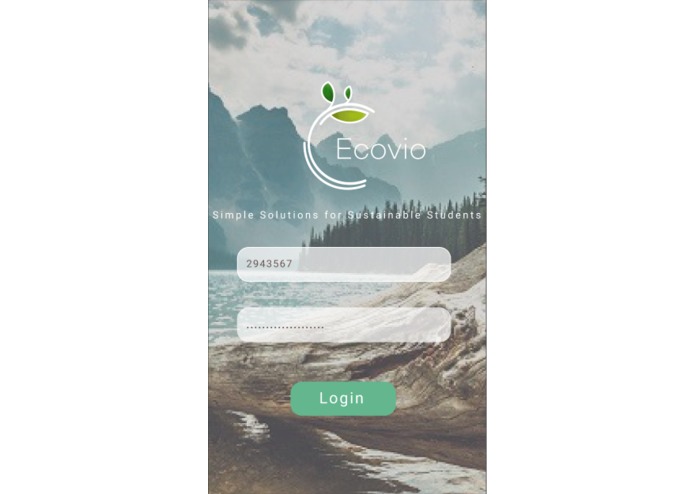
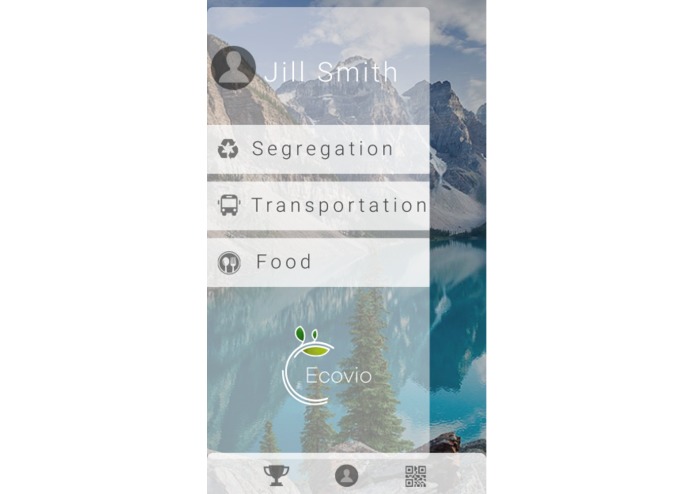
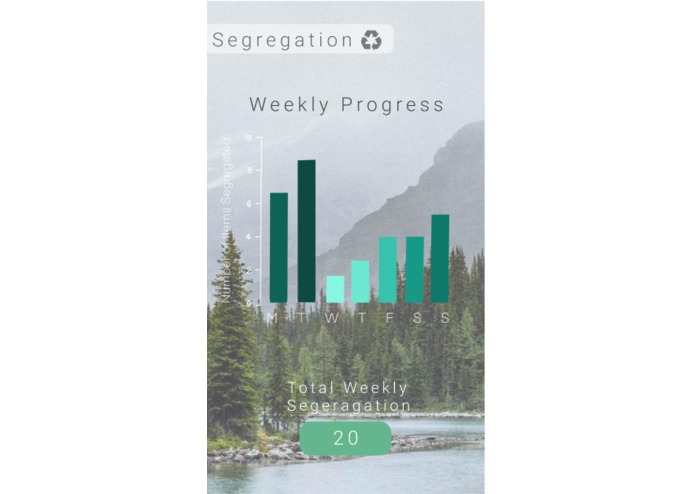
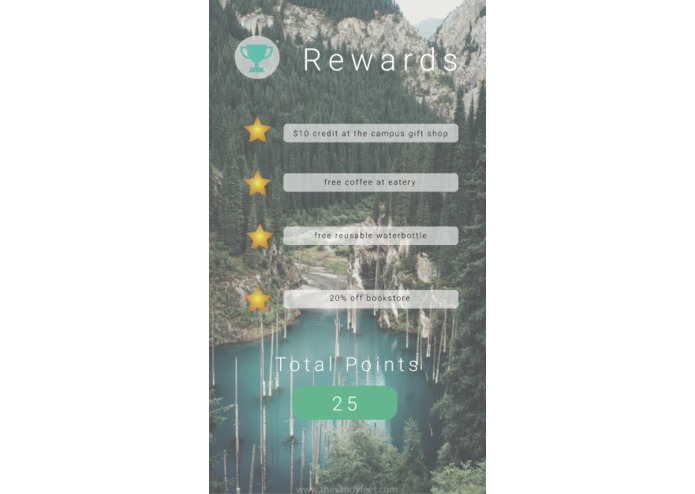
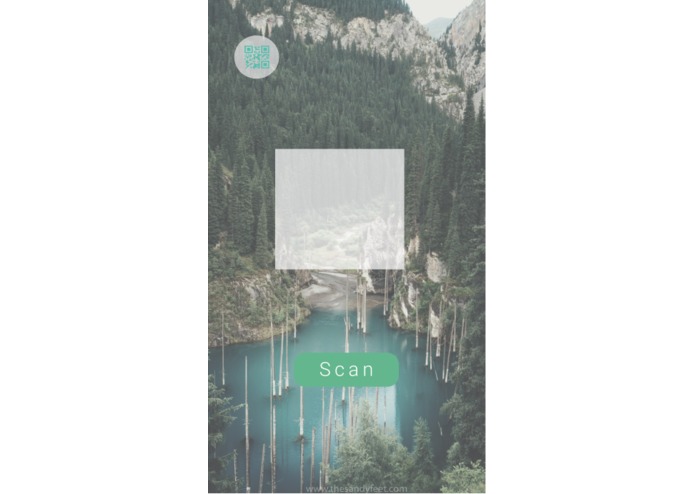
In order to address this problem, Ecovio will analyze the material of the object before further categorizing in order to inform the user whether something is recyclable, compostable, or other. The main function of aiding waste disposal is made easier with the integration of a voice experience that allows for a more seamless and natural exchange between human and machine when determining how to dispose of waste appropriately. The voice experience is hosted on Google Assistant, allowing users to access it via their phones with the utterance of a simple invocation phrase, such as “Ok Google, talk to Ecovio”. Ecovio ensures that users are using the voice experience appropriately by using a QR code scanner at waste disposal sites to claim rewards. Aside from just waste disposal, Ecovio also comes equipped with a transportation and food section which again encourages sustainability through a rewards system.
How we built it
Built using Voiceflow, Ecovio was originally designed in a system flow model style that allowed us to easily follow each step and the logic behind preceding and succeeding steps. Each user input section includes a number of possible synonyms to prevent as much confusion as possible. Each response from the voice experience also clarifies any information that was previously spoken by the user and includes a clear call-to-action for the next step from the user.
Challenges we ran into
Some challenges we ran into including the initial ideation of the project as it took some time to properly define a problem space and design an appropriate solution that we could feasibly build in the given time period. We also encountered technical challenges, specifically with learning the different softwares for creating voice experience (ex: VoiceFlow & Dialogflow) and how to deploy the voice experience successfully.
Accomplishments that we're proud of
As a team of first-time hackers, we're incredibly proud to have produced a working prototype of our solution by the end of the hacking period.
What we learned
Over the course of this hackathon, as a team, we were able to grow in both technical knowledge and soft skills. The ability to speak to mentors on site definitely improved our understanding of different programs we used and how to build a successful voice experience. Learning how to design and construct a voice experience in VoiceFlow as well as taking a look at the javascript behind voice experiences in DialogFlow significantly contributed to our overall learning and future understanding of voice.
What's next for Ecovio
To take this project even further, we could complete the Transportation and Food sections of the Ecovio app, complete with voice interaction when appropriate. The Food section would encourage local produce purchases through scanning applicable barcodes which then has returns in the rewards section. Similarly, the Transportation section encourages the use of more sustainable forms of transportation across campus and, if possible, outside of campus to students’ everyday lives.
Built With
- figma
- google-assisstant
- voiceflow

Log in or sign up for Devpost to join the conversation.