-
-
Dun Jun - Logo
-
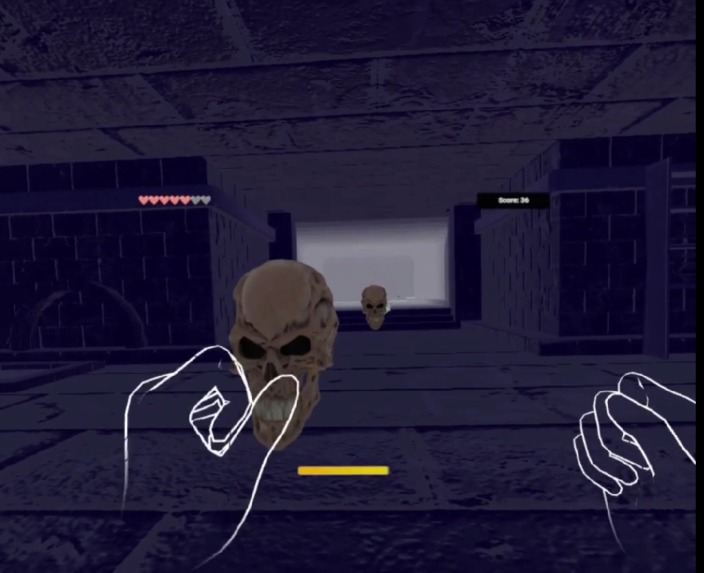
Hand Gestures - Punch
-
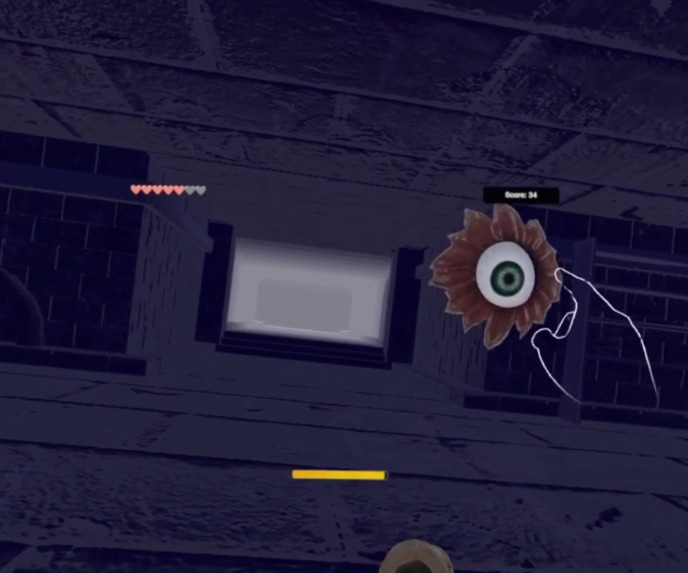
Hand Gestures - Poke
-
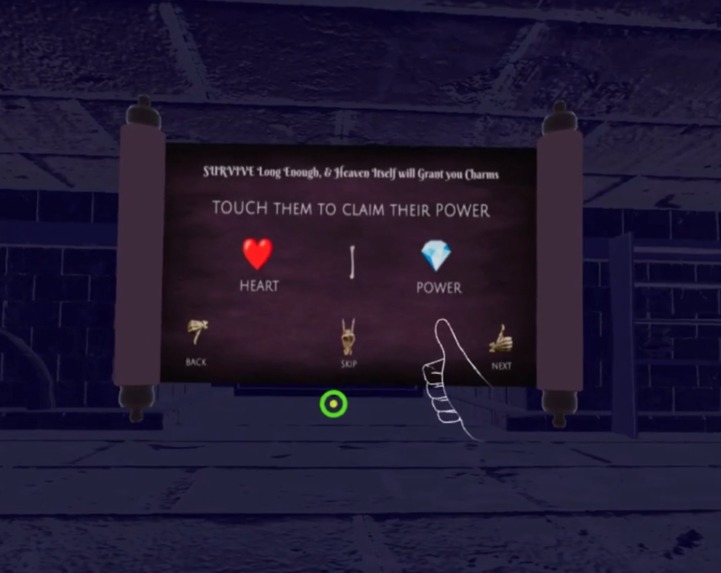
Hand Gestures - Menu Interaction
-
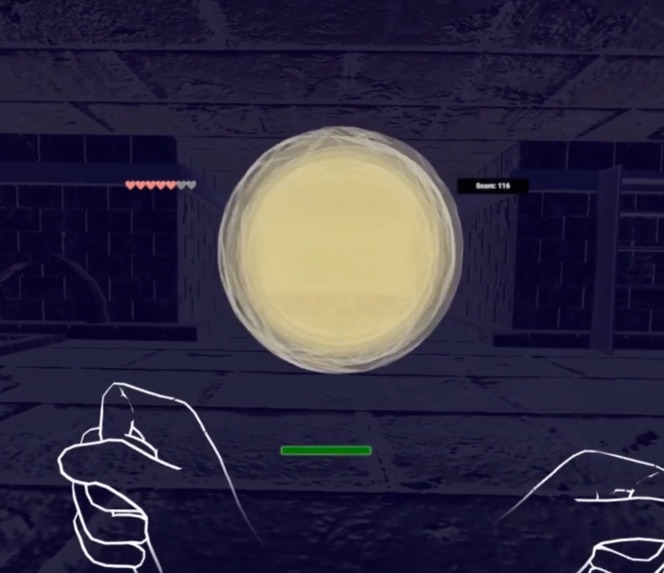
Hand Gesture - Ultimate Power Ignis
-
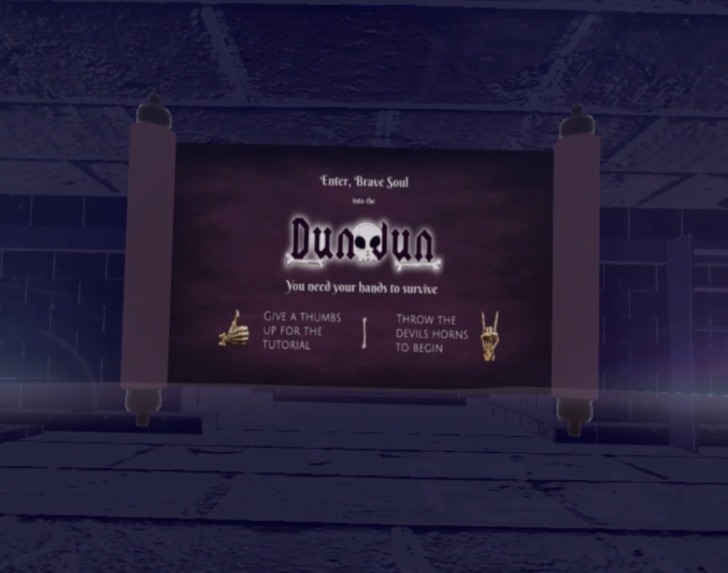
Dun Jun - Lobby


Inspiration
For the past seven years we’ve been building startups across different domains, but gaming has always been the passion we never had time to pursue. Earlier this year, we began designing a gesture-based mobile game, but between the steep learning curve and lack of validation, we had to pause it. When we discovered this competition, it felt like the perfect spark. We had purchased a Meta Quest 2 few years ago with the dream of building VR experiences, and this was the moment to finally act on it. We decided to take our original gesture-only concept and reinvent it specifically for VR — resulting in Dun Jun, a hand-tracking-driven dungeon survival game.
What it does
Dun Jun is a fast-paced, hands-only VR action-arcade survival game. You’re trapped in a fantasy dungeon as waves of creatures fly toward you, and your only defense is your own hands. Punch, slap, poke — the game reads natural hand motions to defeat enemies. Even the menus are navigated entirely through gestures. Dun Jun aims to be instantly accessible, highly physical, and endlessly replayable. A live prototype is available at dunjun.world
How we built it
We built Dun Jun in roughly one month using Meta’s Immersive Web SDK, which integrates Three.js; ELICS, Havok physics, and WebXR into a unified framework. The learning curve was steep due to the ecosystem’s relative newness, but once we understood its structure, the velocity increased dramatically. A core achievement was developing our own hand-symbol detection system, capable of recognizing a wide range of static and dynamic gestures. This gives the game expressive combat variety today and unlocks deeper interactive potential for future modes. We also engineered physics-driven enemy behavior, optimized collision systems, and tuned performance specifically for the Quest 2.
Challenges we ran into
Building a hands-only experience meant solving gesture reliability, feedback clarity, and performance simultaneously — all while learning a new SDK. WebXR optimizations, physics consistency, and smooth 72–90 FPS rendering on the Quest were ongoing challenges. With only about a month to build everything from scratch, prioritization and tight iteration cycles were critical.
Accomplishments that we’re proud of
We created a complete VR prototype from zero in under a month, built an original gesture-driven UI, implemented a scalable hand-symbol system, and deployed the entire experience live. Seeing our hand-tracking logic translate into fluid, responsive gameplay on an actual headset was a major milestone.
What we learned
We gained deep insight into VR interaction design, immersive gesture systems, WebXR pipelines, and performance tuning for standalone hardware. This project reinforced how much thoughtful physics, timing, and feedback matter for delivering presence in VR.
What’s next for Dun Jun
We’re expanding Dun Jun into two modes — endless arcade and a full story-driven campaign. Future updates will include in-game currency, power-ups, spells, upgradeable gloves, new enemy classes, boss fights, global leaderboards, and player progression. Our vision is to grow Dun Jun into a polished, high-energy VR arcade experience powered entirely by hand-tracking.



Log in or sign up for Devpost to join the conversation.