-
-
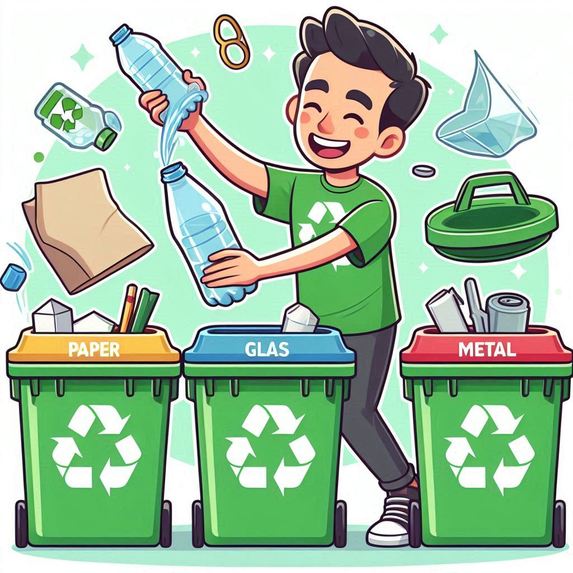
Person happily recycling material
-
-
-


Inspiration
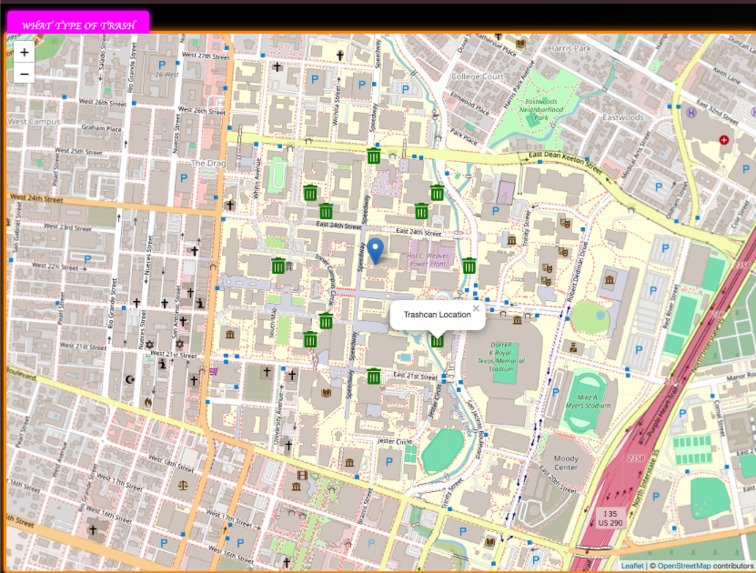
Our journey began during the opening ceremony of HackTX, where we were inspired by a compelling speech from the green community. They emphasized the importance of environmental conservation and the need for innovative solutions to tackle waste management. This sparked a question in our minds: What if the classification of waste could be made easy? We envisioned a system that could simplify waste sorting, making it accessible and efficient for everyone. We also deemed it fit to engineer a platform that could direct users to recycle bins, further encouraging people to dispose their thrash as they can quickly find disposal stations.
What We Learned
Throughout the development of this project, our team gained invaluable knowledge in several areas:
- Artificial Intelligence: We gained hands-on experience with machine learning frameworks like TensorFlow and learned how to preprocess images and train classification models.
- Machine Learning: We learned how to train and fine-tune a neural network to classify different types of waste materials accurately.
- Computer Vision: We delved into image processing techniques that enabled our model to analyze and interpret visual data effectively.
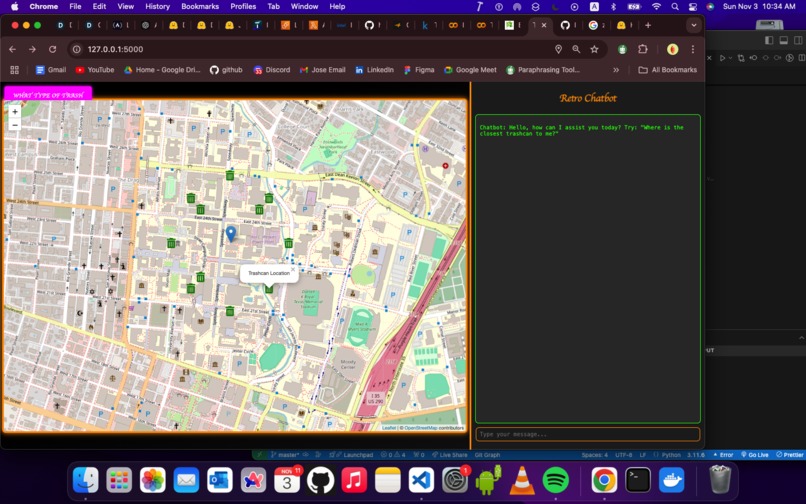
- Web Development: Our team improved in web development skills, particularly in integrating machine learning models with Flask to create a functional and appealing web application.
- Problem-Solving: We learned to troubleshoot and resolve various technical challenges, from data collection and processing to model optimization and user interface design.
Building the Project
To bring our vision to life, we followed a structured approach:
- Research: We started by researching existing waste classification systems and understanding the challenges they faced.
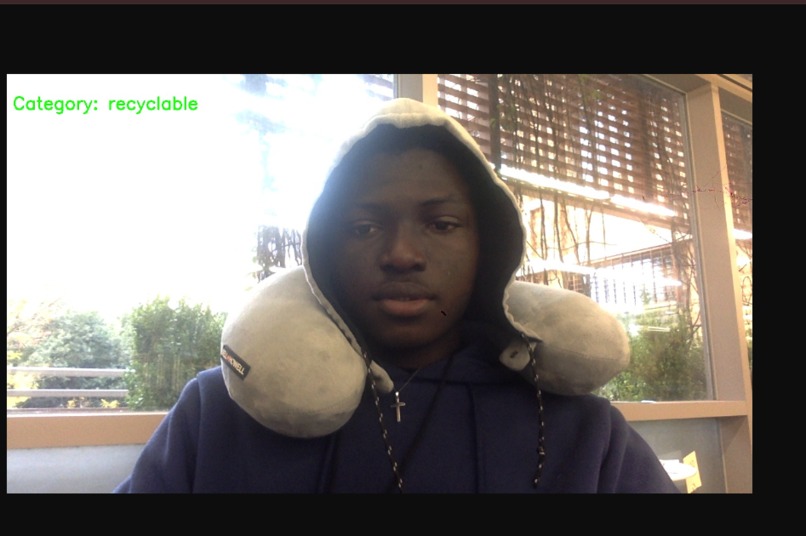
- Model Training: We collected a dataset of various waste materials and used TensorFlow to train our neural network model. This involved preprocessing images, augmenting data, and optimizing the model for better accuracy.
- Development: We built a web application using Flask that allows users to upload images of waste for classification. The application provides real-time feedback and displays the predicted category of the waste.
- User Interface: We designed a simple and intuitive interface that encourages users to engage with the system, promoting responsible waste disposal.
Challenges We Faced
While developing the Smart Waste Classification System, our team encountered several challenges:
- Data Quality: Obtaining a diverse and high-quality dataset was a significant hurdle. We had to invest time in gathering and curating images to ensure that our model could generalize well across different waste types.
- Model Performance: Fine-tuning the model to achieve satisfactory accuracy required multiple iterations and adjustments. We learned the importance of experimenting with different architectures and hyperparameters.
- User Engagement: Creating an interface that appealed to users while providing functionality was challenging. We had to iterate on the design based on user feedback to enhance the overall experience. ## Accomplishments That We're Proud Of
- Successful Model Training: We achieved an impressive accuracy rate in our waste classification model, demonstrating our ability to effectively utilize machine learning techniques.
- User-Friendly Interface: We developed an intuitive web application that allows users to interact seamlessly with our classification system, promoting engagement and encouraging responsible waste disposal.
- Location sourcing and mapping: We scraped wastebin location data from a website and used the information to provide direction capabilities for our platform.
- Team Collaboration: Our team worked cohesively, leveraging each member's strengths, which facilitated smooth development and problem-solving throughout the project.
What's Next for Untitled
- Model Improvement: We plan to enhance our classification model by expanding the dataset with more diverse waste types and improving the model architecture for better accuracy.
- Feature Expansion: Future versions of our application will include additional features, such as a mobile app for on-the-go waste classification and educational resources on recycling and waste management.
- Partnerships: We aim to collaborate with local environmental organizations to promote our system and integrate it into community waste management initiatives.
- User Testing: We will conduct user testing to gather more feedback and ensure that our application meets the needs and expectations of our target audience.


Log in or sign up for Devpost to join the conversation.