-
-
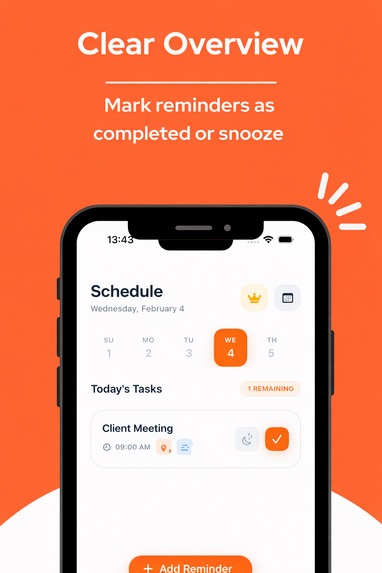
Schedule and don't miss out on important reminders. Synced in realtime across multiple devices (paid feature)
-
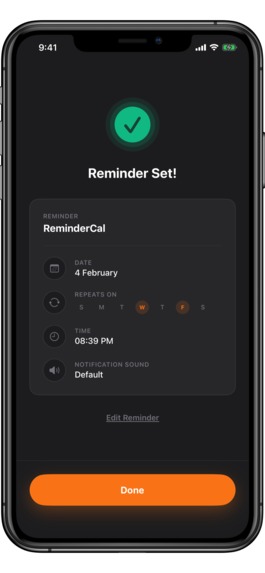
Overview after scheduling reminders
-
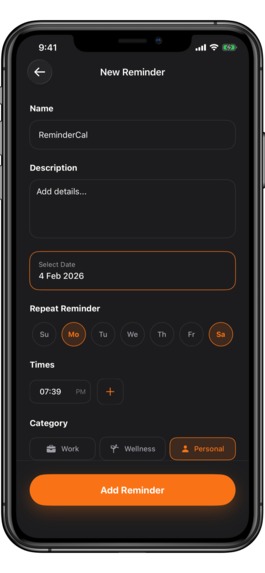
Create a one-off reminder or recurring reminders with multiple times.
-
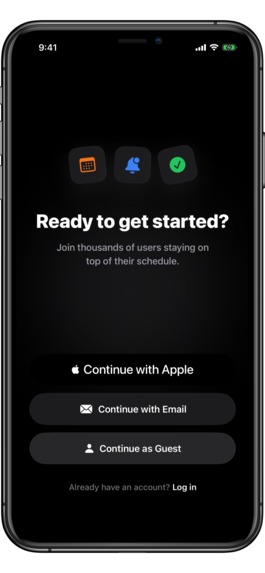
Support for guest account, apple sign in and email and password authentication
-
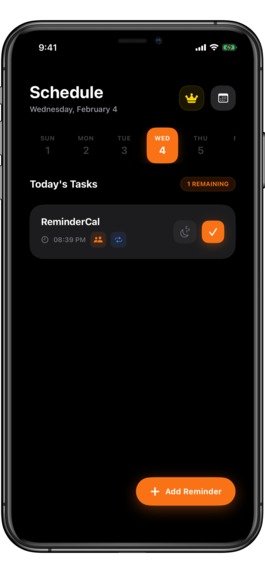
Overview of their reminders in real-time synced across multiple devices
-
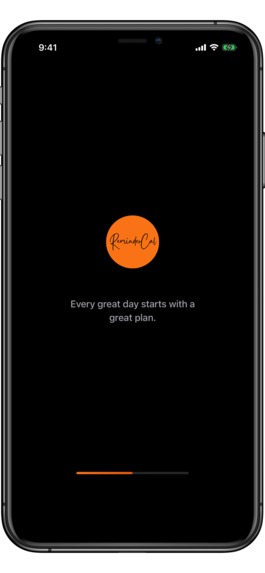
Motivational loading screen to enlighten the day
-
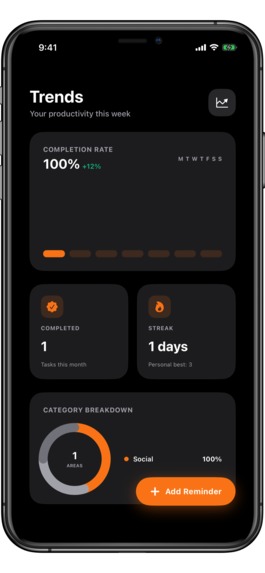
Productivity and streak overview
-
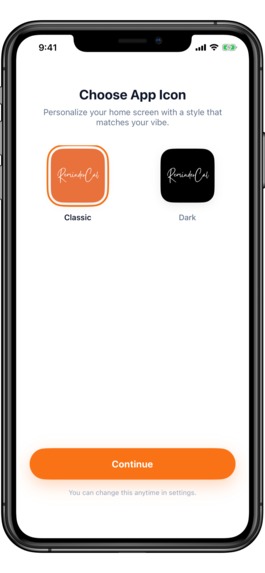
Dynamic app icon & Light/Dark Mode Support
-
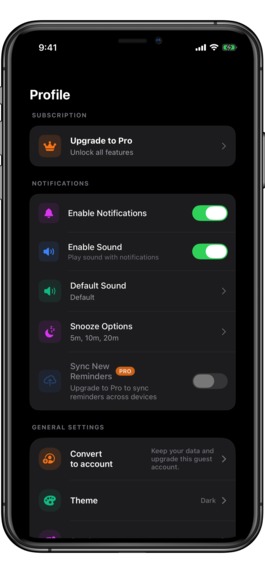
User can manage their profile settings and convert their guest account
-
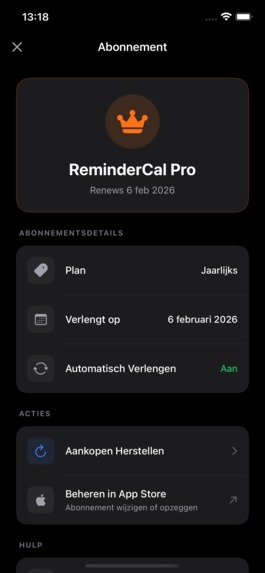
Manage your subscription, the app offers monthly and yearly option(50% off).


Inspiration
Staying organized should feel effortless, private, and accessible without friction. Many reminder and calendar apps today require accounts, track user behavior, or overload users with complex features that distract from their core purpose.
ReminderCal was inspired by the idea that productivity tools should be fast, private, and visually clear, allowing users to manage reminders and schedules without unnecessary barriers. We wanted to create a solution that helps people stay consistent with routines, deadlines, and goals while maintaining full control over their personal data.
What it does
ReminderCal is a privacy-first reminder and calendar app designed to help users stay organized through smart reminders, visual scheduling, and productivity tracking.
Users can:
- Create one-time or recurring reminders for tasks, routines, and events
- View schedules through an intuitive daily, weekly, and monthly calendar
- Track productivity trends and monitor goal consistency over time
- Customize their experience with multiple themes
- Use the app without accounts, ads, or data tracking
- Access a fully localized experience across multiple languages
ReminderCal helps users manage both structured schedules and flexible routines in a clean and distraction-free environment.
How we built it
ReminderCal was built using SwiftUI, allowing us to create a modern, highly responsive, and scalable native iOS experience while maintaining a clean and maintainable architecture.
The app was designed with performance, simplicity, and privacy as core principles:
- A local-first data architecture ensures user data remains on-device
- Optimized scheduling logic guarantees reminders trigger reliably
- A modular SwiftUI calendar interface enables fast navigation across time views
- Built-in analytics track completion patterns without compromising privacy
- A flexible theming system allows seamless switching between visual styles
- Multi-language support ensures accessibility across regions
Due to the short timeframe of the Shipyard Challenge, we focused on delivering the best possible native iOS experience first. For future releases, we plan to use Skip.dev to translate the SwiftUI codebase into a fully native Android version, enabling cross-platform expansion without sacrificing native performance or user experience.
Challenges we ran into
One of the main challenges was building a reminder system that is both reliable and fully local, without relying on cloud synchronization.
Key challenges included:
- Maintaining notification accuracy across recurring reminder schedules
- Ensuring reminders continue to function reliably across device states
- Designing productivity tracking while preserving full user privacy
- Creating a calendar interface that remains intuitive while supporting complex scheduling patterns
Solving these required careful handling of local scheduling logic and efficient state management.
Accomplishments we’re proud of
- Fully native SwiftUI architecture optimized for performance
- Fully local reminder scheduling with strong reliability
- A privacy-first architecture with no accounts or tracking
- Built-in productivity trend tracking that respects user data ownership
- A clean and customizable calendar and reminder interface
- Multi-language support for broader accessibility
We are especially proud that ReminderCal delivers powerful scheduling features while remaining simple and private.
What we learned
- SwiftUI significantly accelerates iteration while maintaining native performance
- Privacy-first products require thoughtful architecture from the start
- Reliability is the most important feature for reminder-based apps
- Visual clarity dramatically improves user engagement with schedules
- Simplicity often creates better long-term user adoption than feature overload
These insights continue shaping how we build productivity tools.
What’s next for ReminderCal
Planned improvements include:
- Advanced recurring reminder customization
- Smarter productivity insights based on user patterns
- Expanded widget and notification customization
- Additional localization support
- Native Android release using Skip.dev
- Enhanced calendar visualization features
ReminderCal will continue focusing on helping users stay organized while protecting their privacy and reducing digital noise.
Log in or sign up for Devpost to join the conversation.