-
-
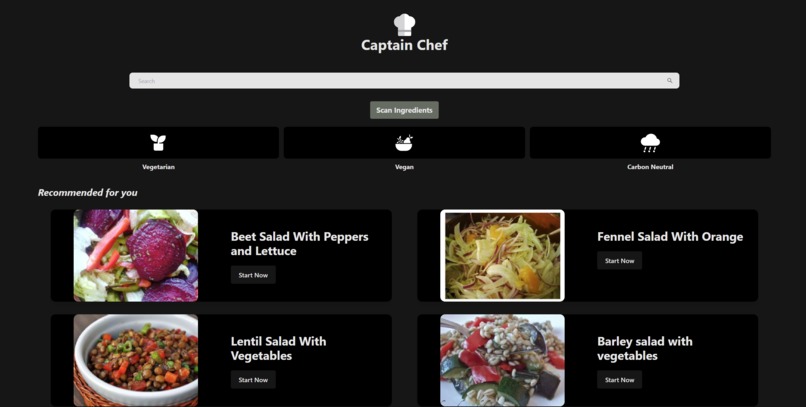
home page
-
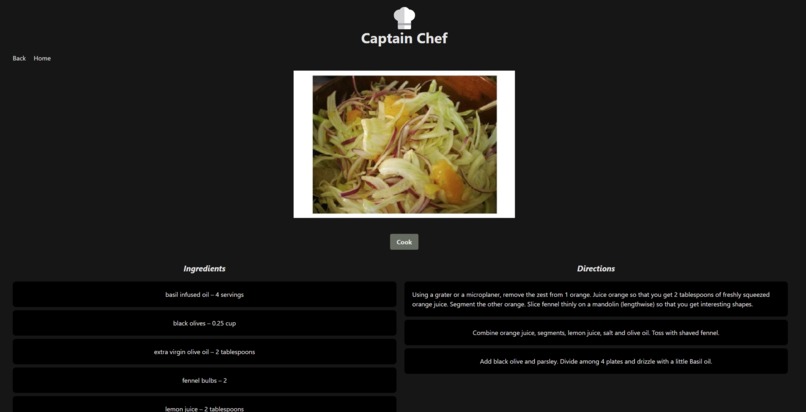
recipe preview
-
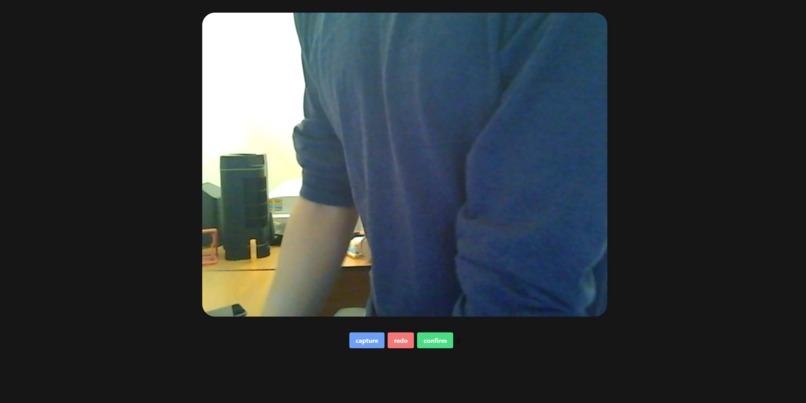
camera
-
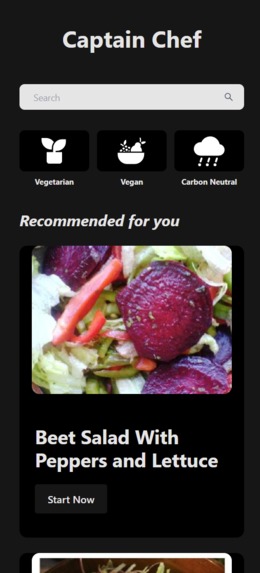
mobile version home screen
-
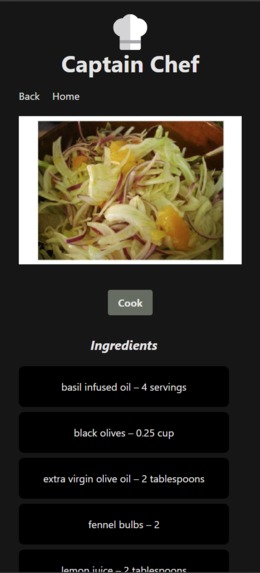
mobile version recipe preview
-
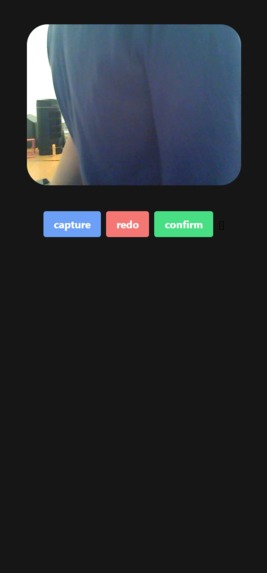
mobile version camera


Inspiration
During the COVID-19 pandemic, we attempted to be more environmentally conscious about our eating. Recognizing the carbon footprint of certain foods such as meat and dairy, we tried to cook foods that were less detrimental. However, when trying to find recipes, we found it very difficult to filter through the different options and there wasn't a website that puts all of the recipes online into one place. We also found it difficult to find recipes based on the ingredients that we had. Having to deal with the hassle of finding recipes and ingredients was a challenge that made us switch to less sustainable eating occasionally. We also recognized the problem of plastic waste from takeout and having to throw out food because of cross-contamination.
What it does
Captain Chef makes it easier for home chefs to cook sustainable foods and avoid waste. Using computer vision, Captain Chef can scan the ingredients that you have in your fridge or pantry and recommend recipes that include what you have. Especially for inexperienced home chefs who don't know how to pair ingredients, this tool makes food waste less likely and speeds up conventional searching up of recipes. Captain Chef also has the functionality of filtering vegetarian, vegan and carbon neutral recipes. Meat and dairy account for over 74% of the greenhouse gases emitted from food production but finding recipes are difficult and time-consuming. Using our quick-search buttons, transitioning to sustainable eating is easier than ever! Finally, using computer vision, Captain Chef allows chefs to swipe between directions and ingredients without touching their screen. Besides preventing cross-contamination, this feature reduces the water, paper towel and plastic waste when preparing dishes. It also makes the hassles of cooking less difficult to overcome. Put together, Captain Chef is a full website that makes cooking at home more appealing. By making it easier to transition to sustainable eating, plastic waste from takeout is drastically reduced which helps the environment.
How we built it
The application was built using React on the frontend with TailwindCSS and Next JS with Typescript. On the backend, we used Clarifai to identify the ingredients that a user has, Spoonacular API for finding recipes, and Google Mediapipe for hand gesture recognition. To design the front-end we used Figma (https://www.figma.com/file/mmjvlBXF2PMlUulzKxd2Lm/Captain-Chef?node-id=0%3A1).
Challenges we ran into
One challenge that we ran into was using Clarifai. As we had never worked with it before, we spent several hours trying to make it work but thankfully it all worked out!
Accomplishments that we're proud of
We are proud that we were able to integrate so many features into one website to create a platform that users can use for everything. When we first started the project, we had the vision of improving sustainable eating and avoiding food waste but we never would have expected the numerous ways that we were able to solve this problem using different technologies and features.
What we learned
From this hackathon, we learned how to use TailwindCSS, APIs such as Clarifai to create a fully developed app. We learned how to put together different components and deploy the website as well.
What's next for Captain-Chef
In the future, we hope to improve upon captain-chef by adding more features such as reading the steps aloud and increasing the database of recipes.
Built With
- clarifai
- figma
- mediapipe
- next
- react
- spoonacular
- tailwind
- typescript
- vercel


Log in or sign up for Devpost to join the conversation.