-
-
Arduino
-
Arduino
-
Arduino
-
During the day
-
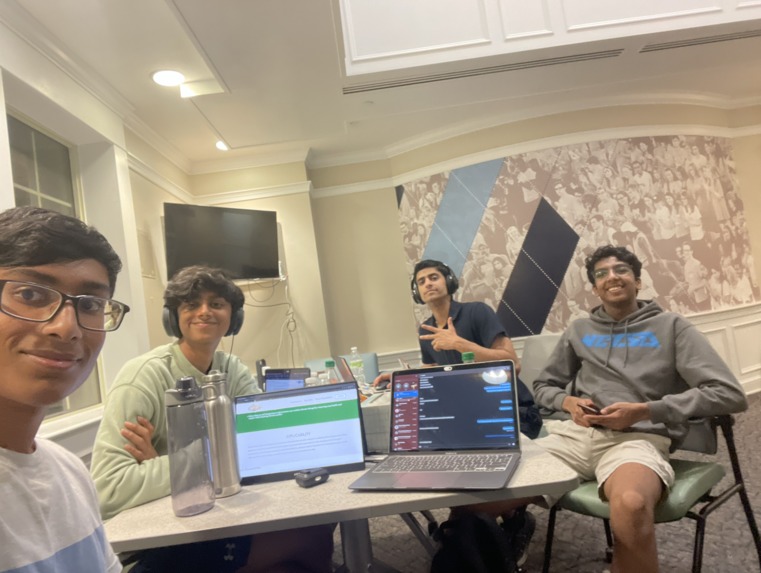
Sleep deprived
-
-
-


Inspiration
The health of soil and its quality have been rapidly declining globally in recent years. The fact that farmers and producers lack information on the crops is one problem that makes this issue worse. Data on soil quality such as moisture and temperature can play a big part in combating climate change and landscape degradation. If properly maintained soil stores carbon, lowering greenhouse gas emissions in the atmosphere. If soils are poorly maintained or cultivated using unsustainable agricultural methods, soil carbon may be released into the atmosphere as carbon dioxide, which can further climate change, negatively impacting the environment and farmers alike.
What it does
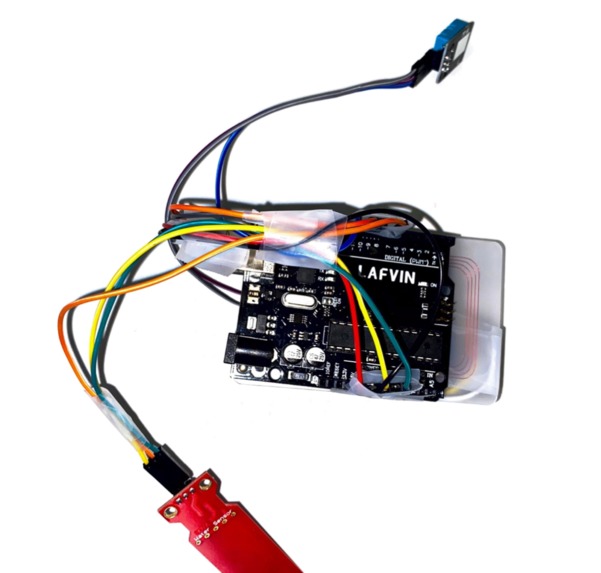
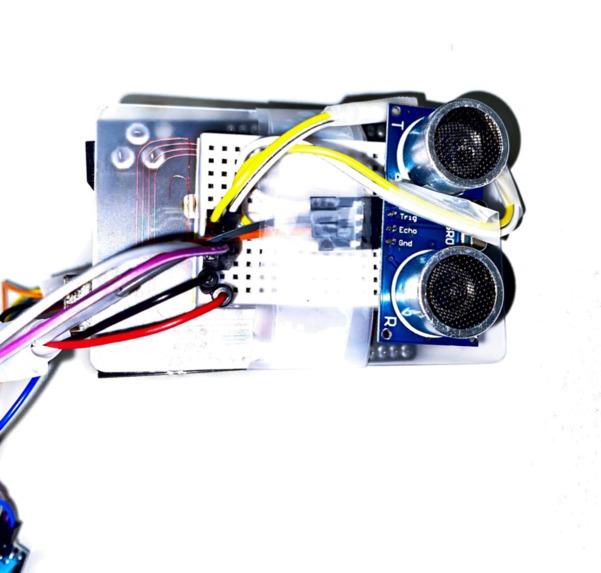
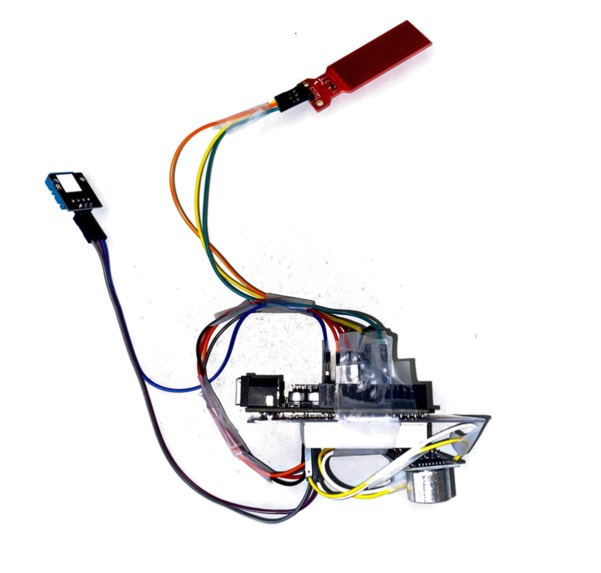
AgTech measures 5 important aspects: Temperature, Humidity, Heat index, Water level and Object detection. We collect data using the Arduino microcontroller and we calculate values. We output this data using Comma-Sepearated Values (CSV) and transmit it to the Raspberry Pi. All of this data is synched with the realtime Firebase database, which provides data for the visualization on Google Colab. All of this is also available using the Firebase hosted website.
How we built it
AgTech is built with HTML, CSS, Json, React, Python, Arduino. We employed humidity, temperature and ultrasonic sensors into our Arduino Uno and transmitted the data into the Raspberry Pi. We used the Thonny Python IDE on the Pi to upload the data to the Firebase Database in real-time. This data from Firebase is extracted as raw JSON data into Google Colab which runs a python script to visualize the data into an elegant graph. A gist of this visualization is embedded into our website and our Colab is linked alongside.
Challenges we ran into
We encountered a multitude of challenges on every aspect of the project. At first we faced issues getting all the sensors to work at the same time and overcame that through some unique coding and change in hardware. From there, our next challenge was connecting the data we collected through the arduino into a firebase database which was solved through an intuitive python script. Another challenge we faced throughout was creating an intuitive, elegant website that incorporated all our information and data.
Accomplishments that we're proud of
As we went on with the project we kept adding ideas and implementing them into the project. Our greatest accomplishment was reading data from the Arduino sensors and hosting it into Firebase. With the Raspberry Pi being such a small microcomputer with limited functionalities, it was difficult to find support on how to connect it to Firebase. It was our first time working with Firebase's real-time database. Our website was a very valuable asset to this project as it tied in all the data and information together.
What we learned
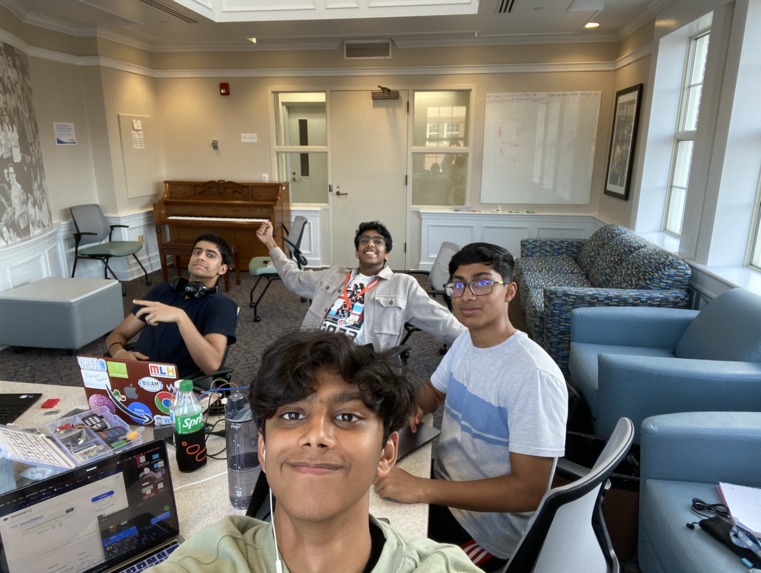
Our team gained a great deal of insight into our individual strengths and shortcomings. We were all brought together by our preparation and communication. We all played to our strengths as some of us were more versed in HTML while others with Arduino
What's next for AgTech
In the future, we hope to use AgTech to personalized pages for farmers and agricultural enterprises, offer detailed feedback and planning advice based on gathered statistics, and help farmers automate their operations in the future we plan to develop our NFC capabilities further, to quickly allow farmers to scan data about their crops using their mobile phones. We would have done this if we had an NFC writer component.


Log in or sign up for Devpost to join the conversation.